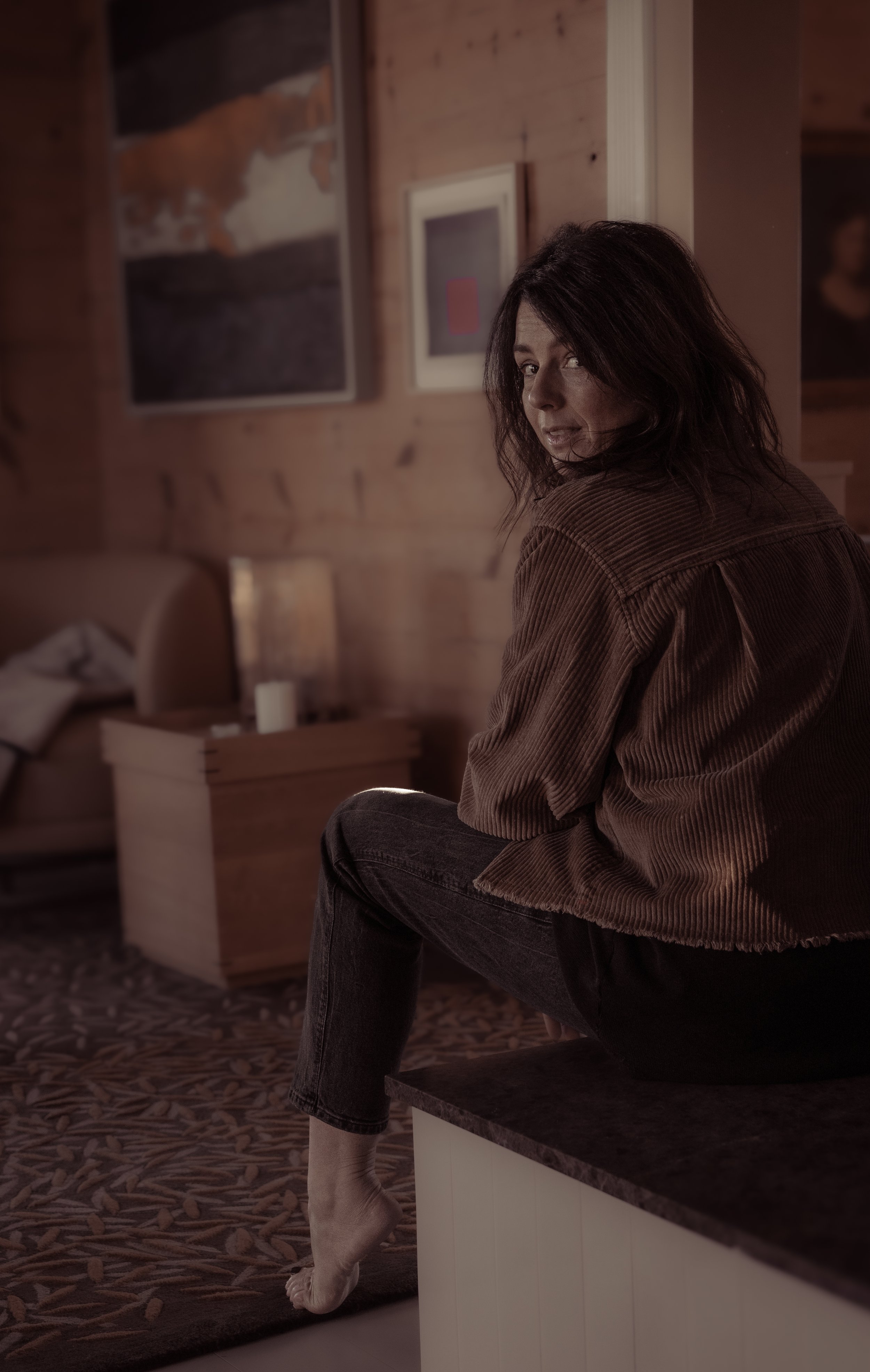
Provence,
more than a place
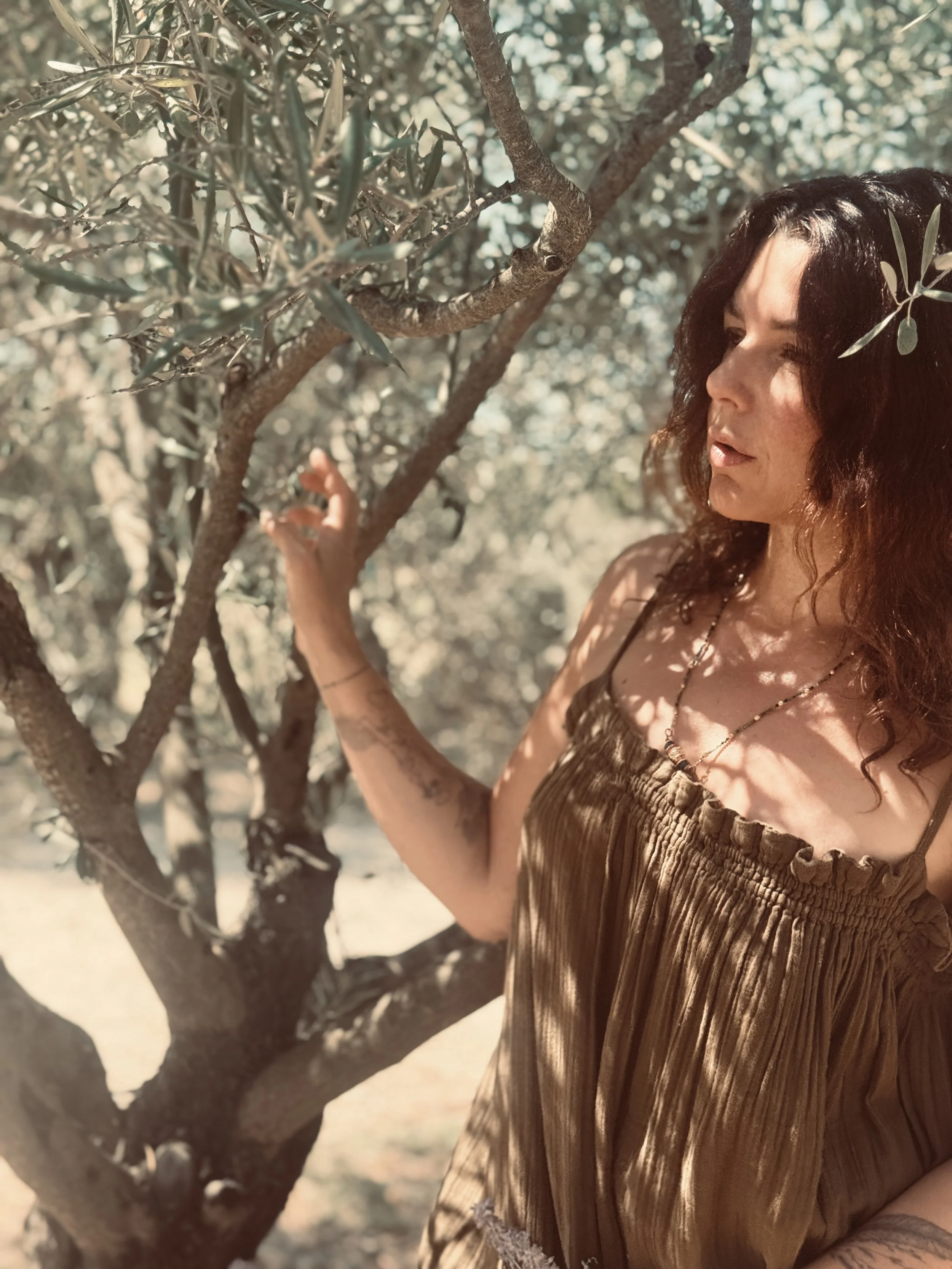
“Reflections on family traditions, slow summers and the little rituals that have quietly shaped my love for Provence.”
Some places leave an impression. Others quietly become part of who we are. For me, Provence has always been more than a destination. It’s where generations of my family have gathered, where childhood memories were made, and where I continue to return every summer with my own children.
Over the years, I’ve realised that what brings me back isn’t simply the beauty of the landscapes, but the feeling they awaken, one of familiarity, creativity and belonging.
This is the story of why Provence will always feel like home.
5 MIN READ
Provence,
Where My Story Began
Personal reflections from Clementine,
founder of MUSE Studio.
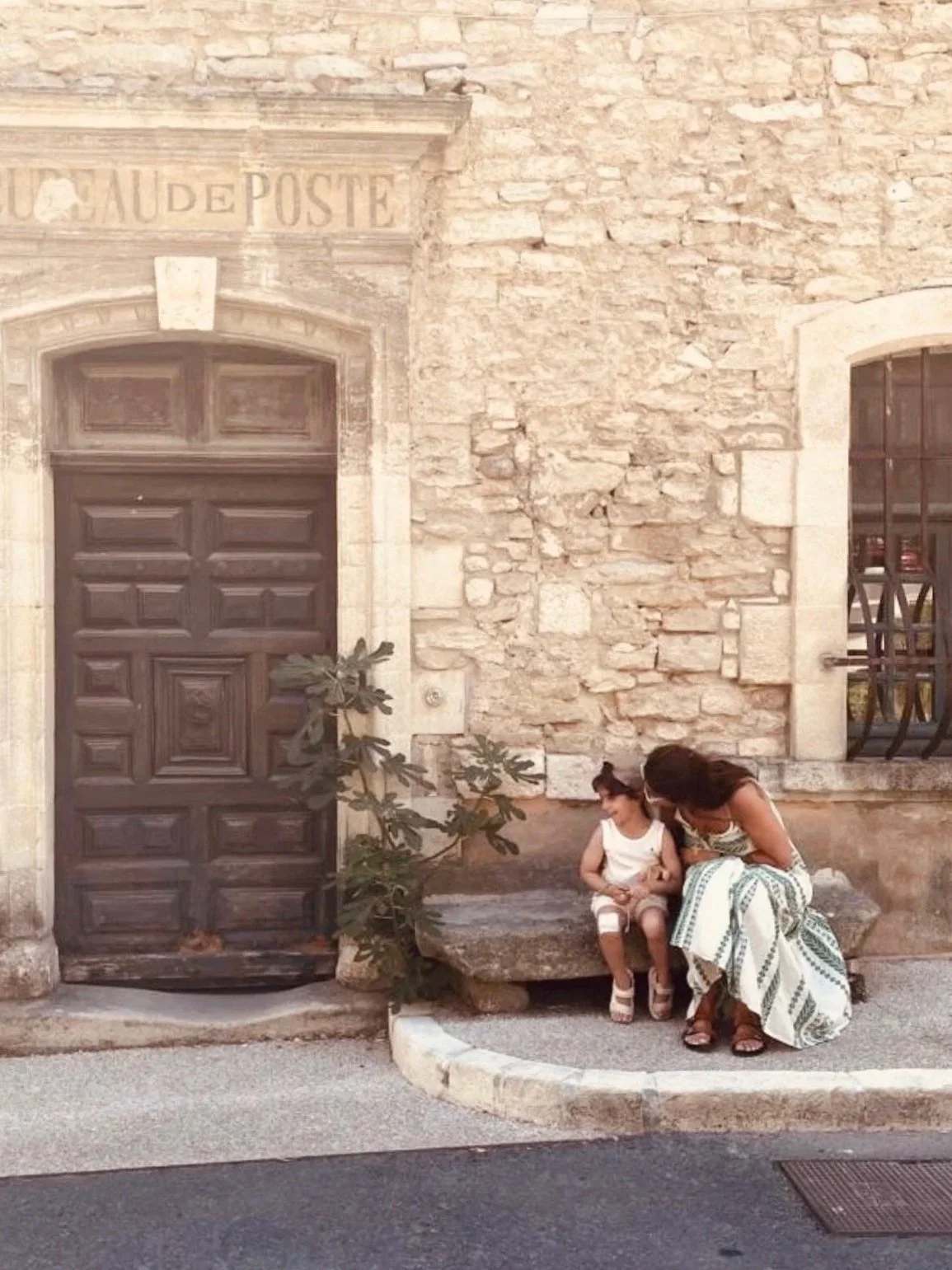
Looking back, I realise I’ve spent almost every summer of my life returning to the same place, not because it was a holiday destination, but because, somewhere along the way, it quietly became home.
I was born and raised in Paris, and yet some of my earliest memories belong hundreds of kilometres further south. They smell of lavender warmed by the afternoon sun, sound like endless cicadas and unfold between stone villages, family lunches that stretched into the evening and long mornings spent wandering through markets with my mum.
My grandparents ran a campsite tucked away in the hills of a Provençal village, and part of my family never really left. Provence wasn’t somewhere we escaped to during the summer holidays; it became part of our family story.
Today, decades later, we still gather here in the same family house. And now, it’s my own children creating memories in the very same place where mine began. Every year, I return for the same reasons, not to see more, but to feel the familiar again.
Having lived in England for the past ten years, returning here has taken on an even deeper meaning. It has become my way of staying connected to my roots and to the traditions that shaped me. Strangely, I now spend more time each year in Provence than in Paris. Paris will always be part of who I am, but sometimes I find myself feeling like a visitor there. Provence, with it’s familiar rituals and slower pace, is what keeps that sense of belonging alive…
WHY DOES PROVENCE FEEL LIKE HOME?
I think Provence feels like home because, in many ways, it was part of my story before I even truly knew it.
Long before I created my own memories here, this land was already deeply connected to my family. My mother spent an important part of her childhood in Provence, and many of my earliest stories about this place came from her. She grew up in a large family of ten children, and the whole family was involved in the family business created by my grand parents, who bought a piece of land in the hills above a small village, now known as one of France’s most beautiful villages.
He transformed it into a campsite where generations of families returned year after year. It was a place filled with life, laughter and shared memories. My mother, her brothers and sisters all had a role to play from a very young age. It was not always easy, but I have always found something incredibly moving about the way an entire family worked together to build something meaningful.
Growing up, I loved listening to my mother’s stories about those years: the adventures with her siblings and friends, the landscapes she explored, the wild beauty of the garrigue, and the simple pleasures of a Provence that felt much more untouched than it sometimes does today.
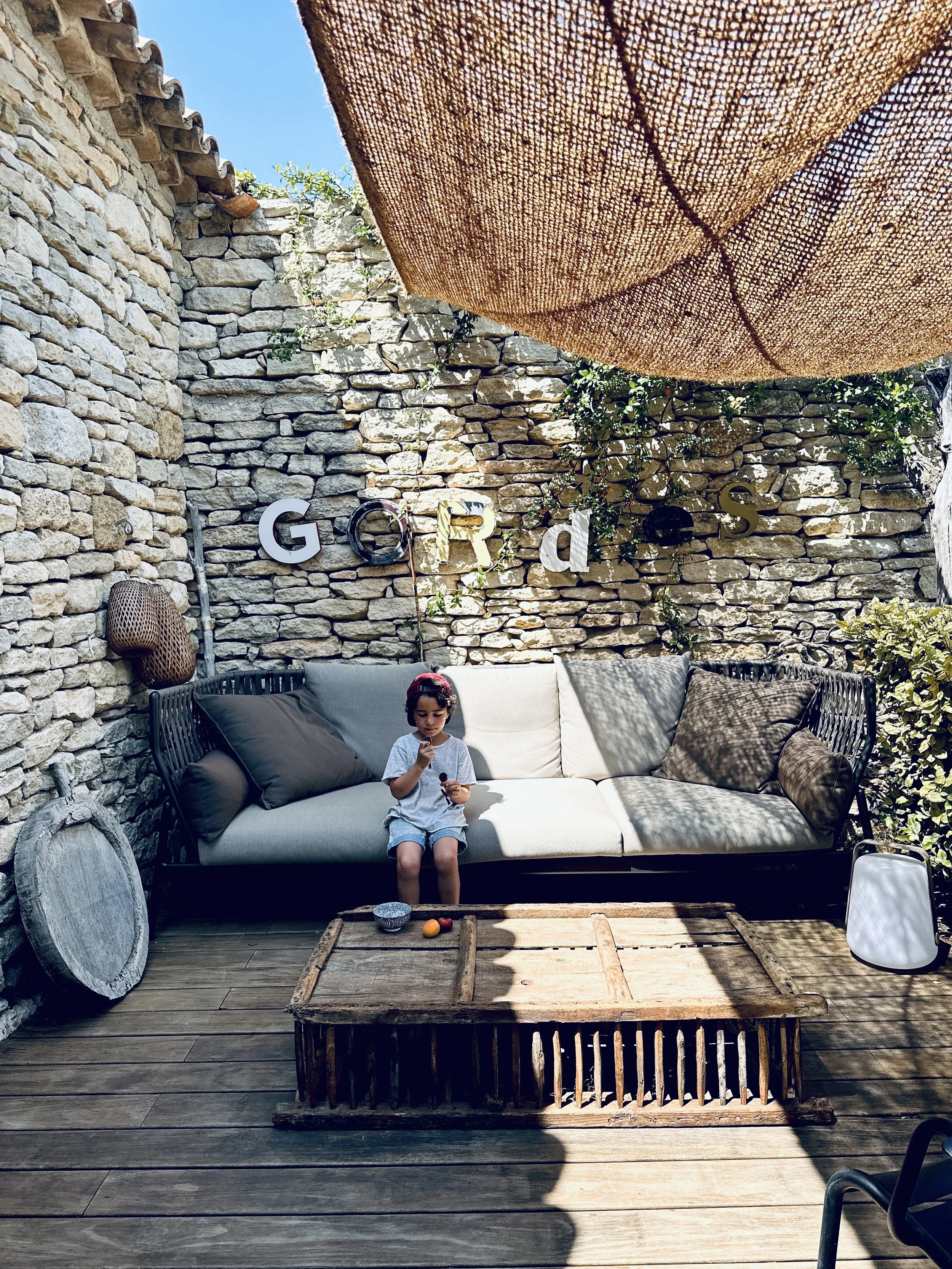
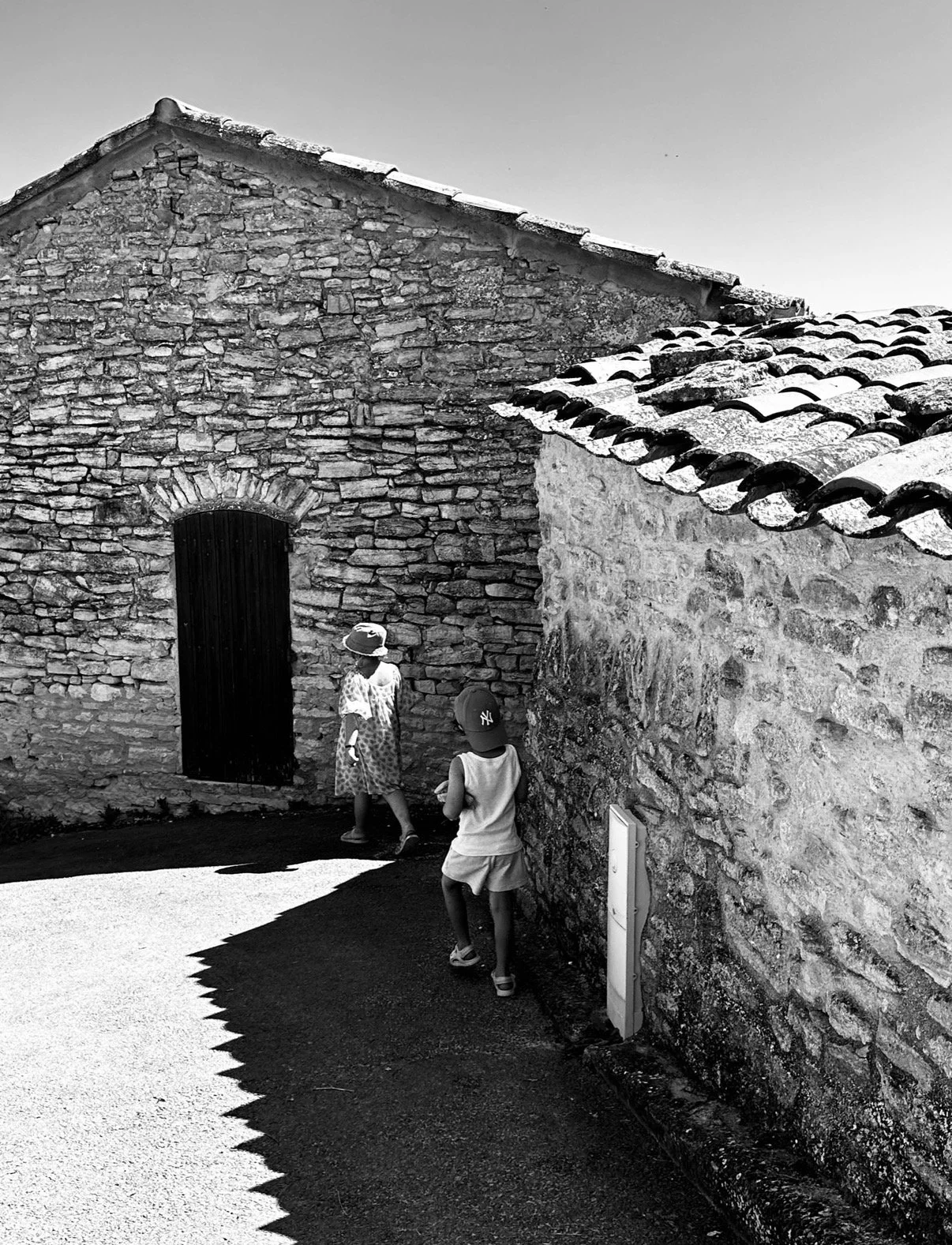
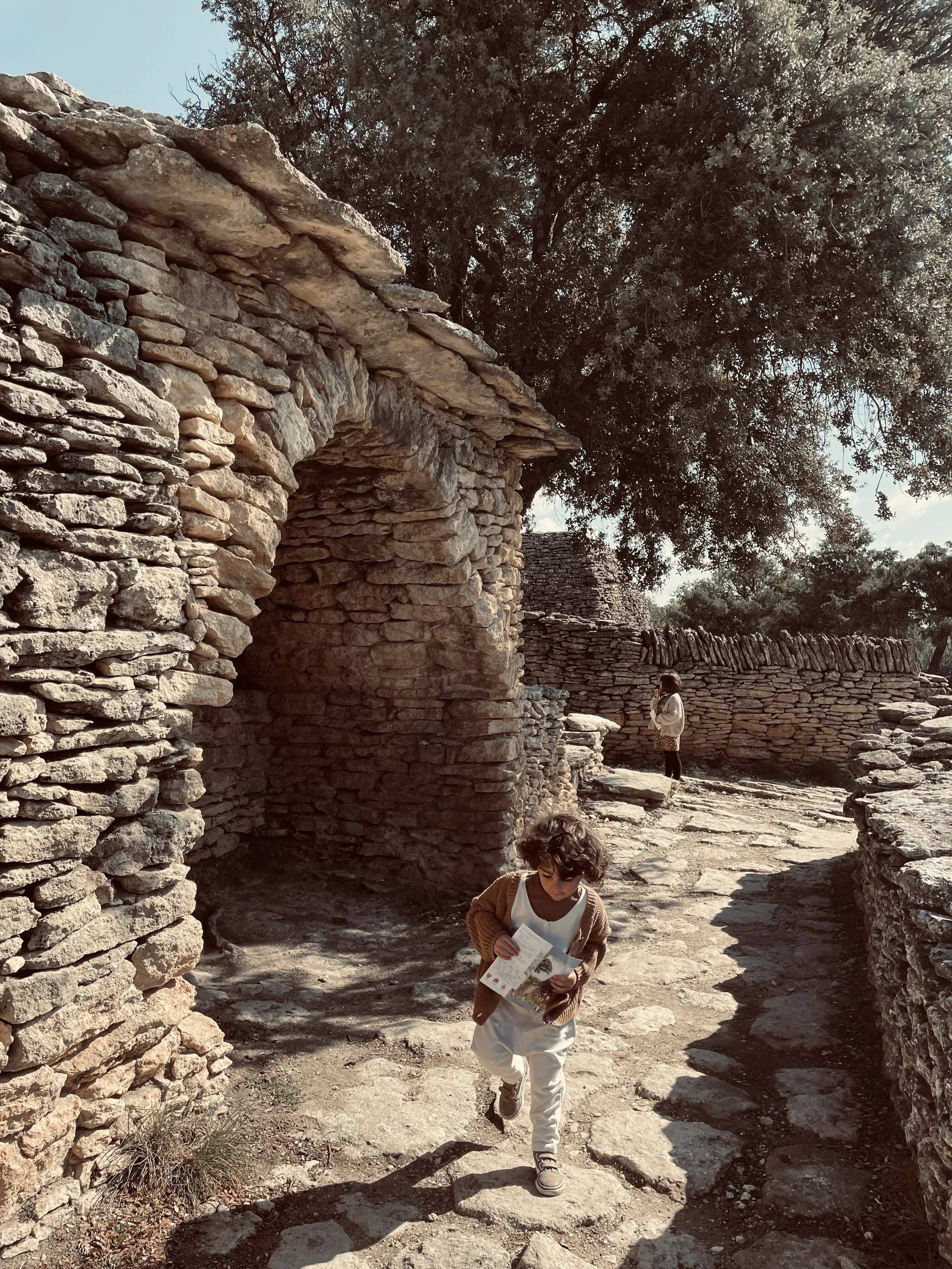
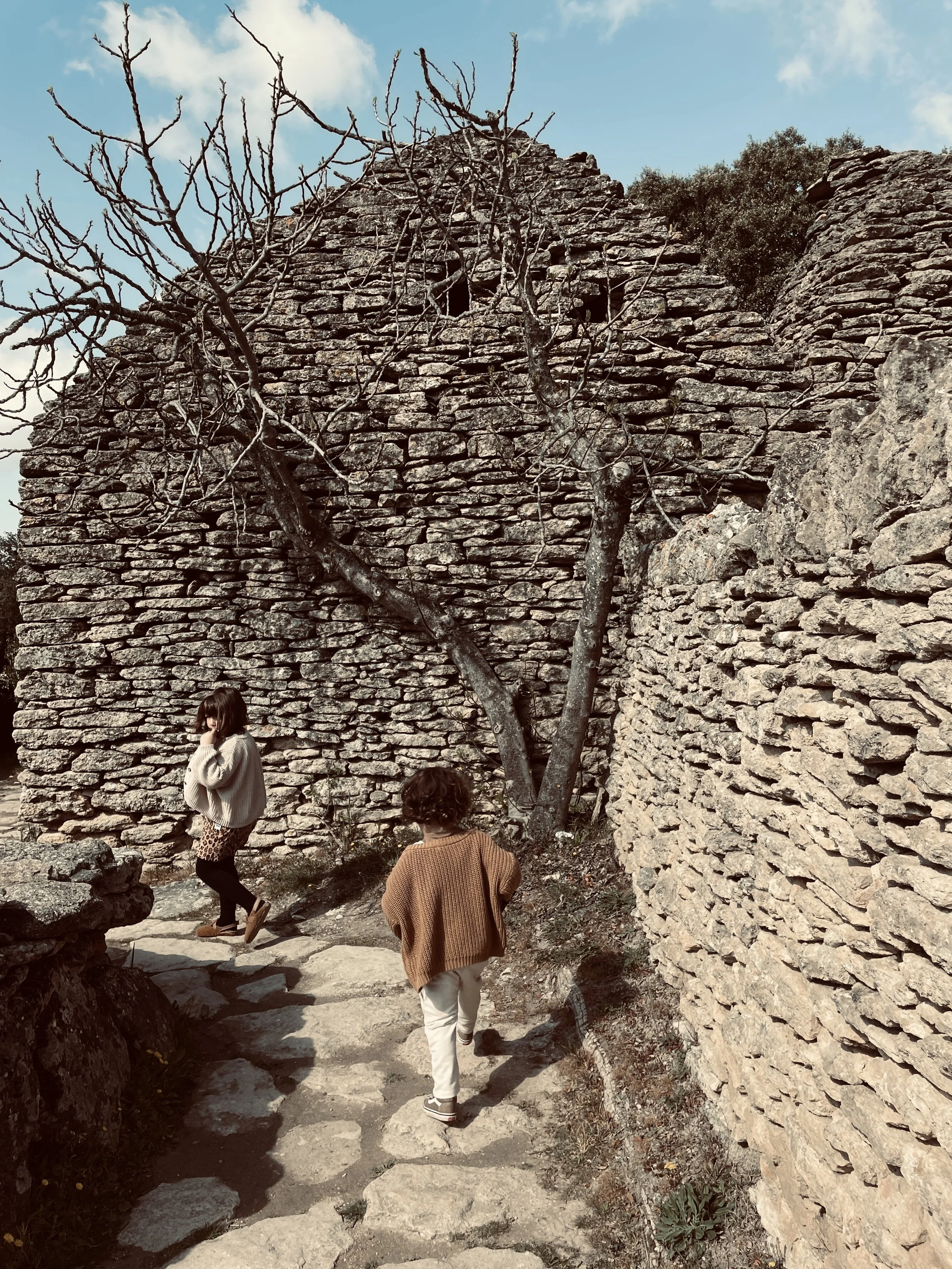
She often tells me about sleeping in a traditional borie, those small stone shelters built with local dry stone, and about a time when the villages felt quieter, more authentic, and deeply connected to the land. Of course, Provence has changed, some places have become busier, more polished, and more focused on tourism. In a way, it is understandable, but there is also a part of us that misses the simplicity and authenticity of the Provence my mother knew.
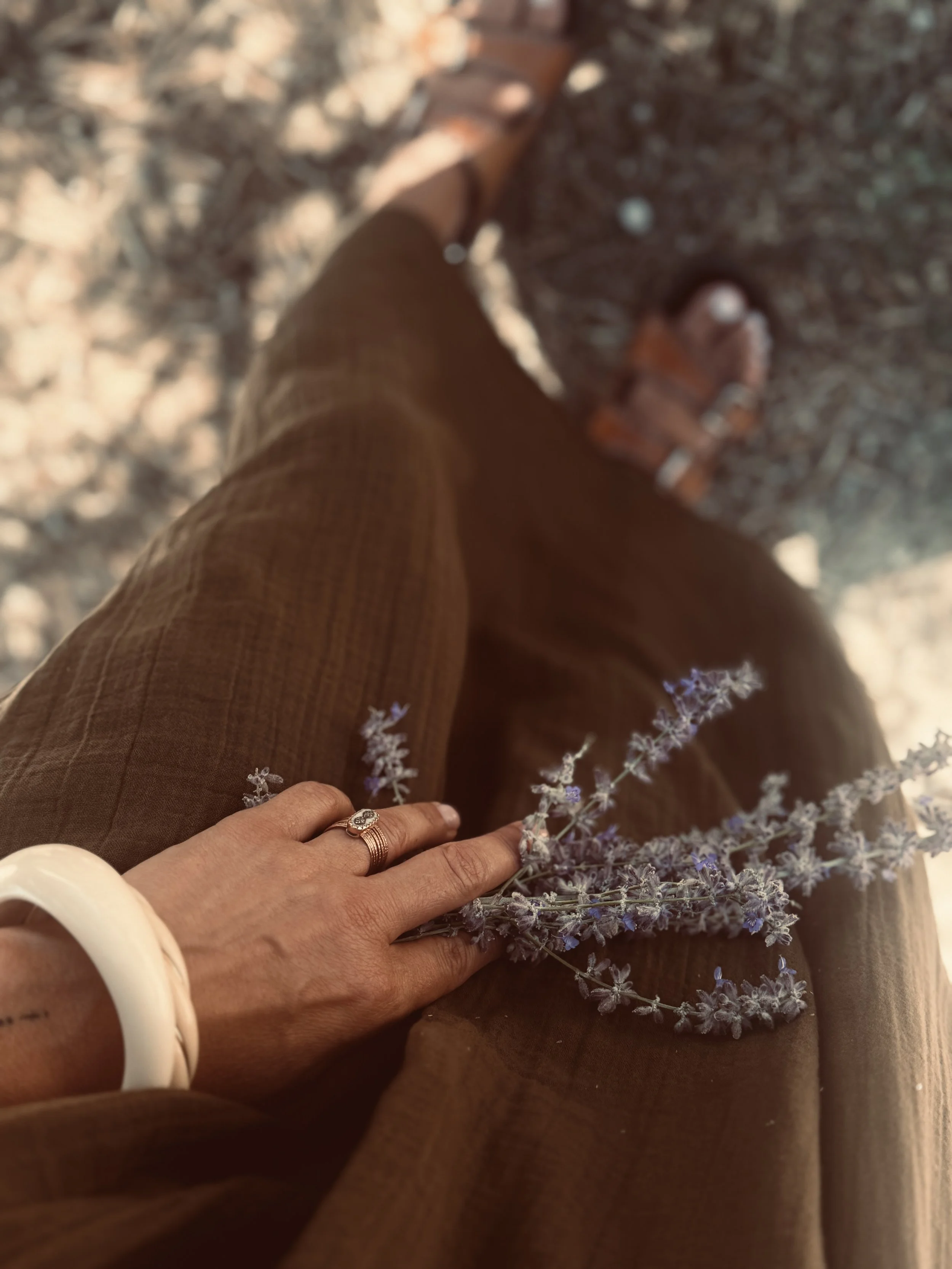
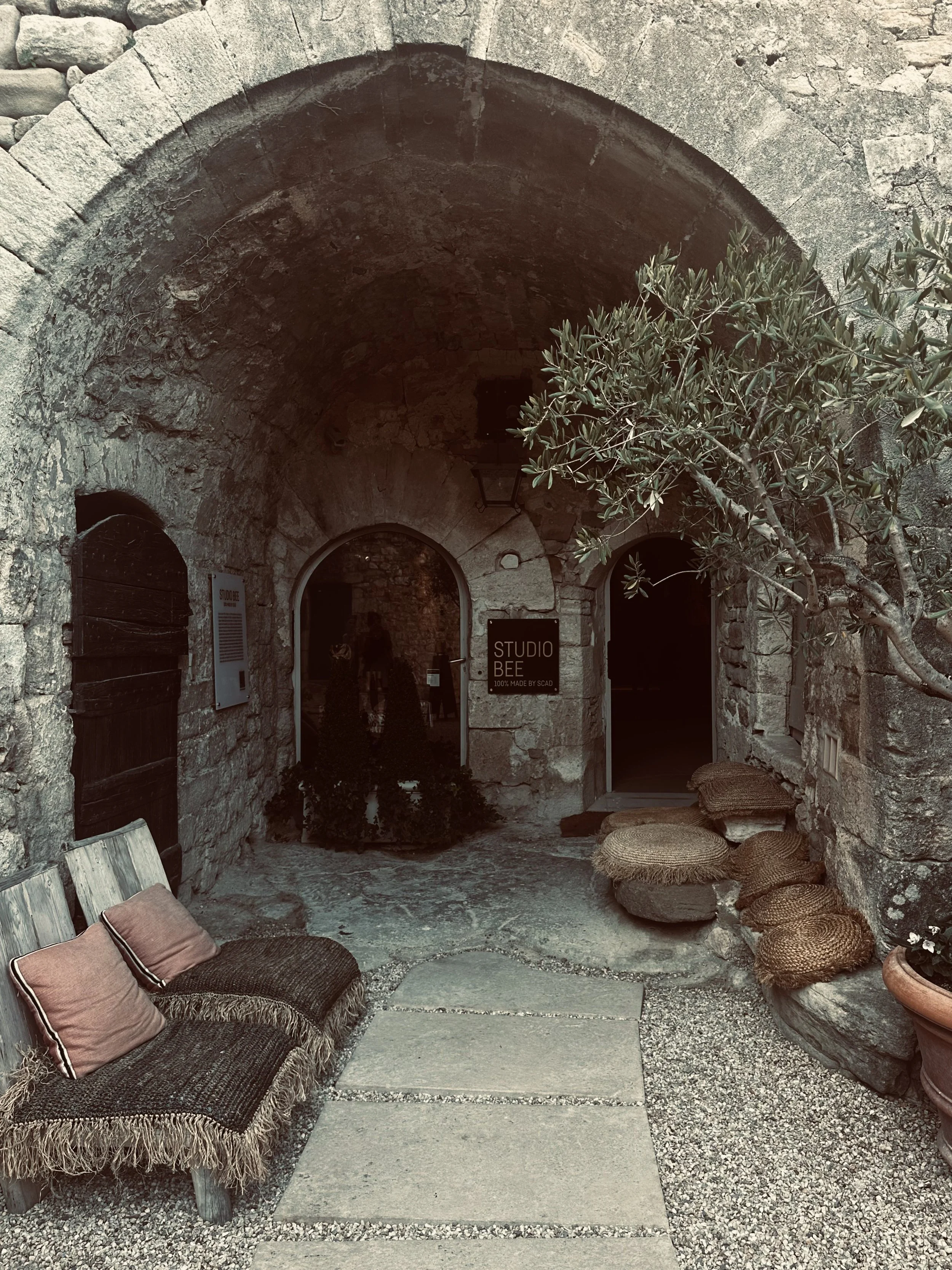
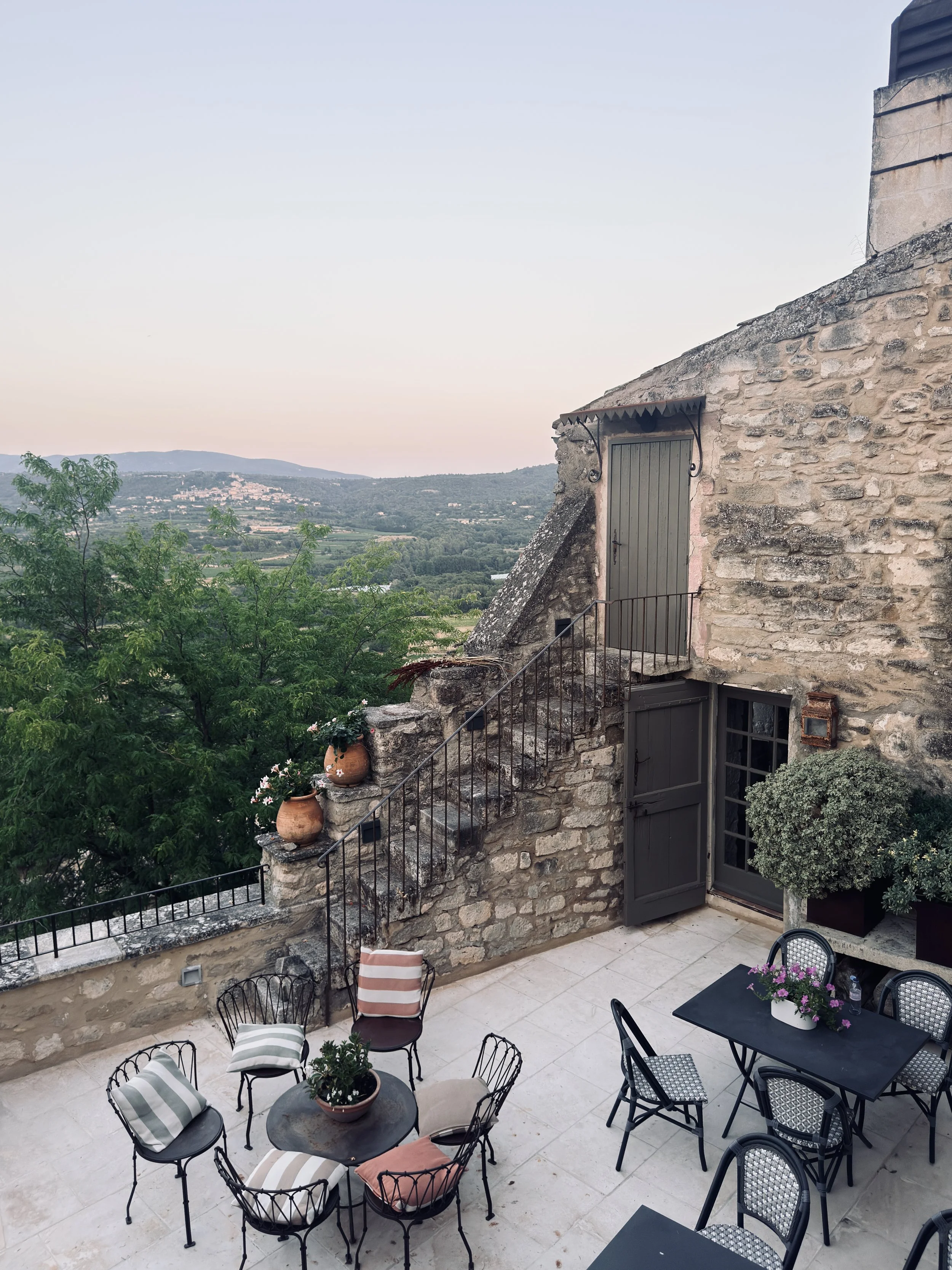
And yet, every time I return, I still find that feeling… the moment I arrive, surrounded by olive trees, lavender fields, cicadas and endless landscapes shaped by light, something immediately feels familiar. I am always amazed by the beauty of this region. The colours, the textures, the old stone, the wild landscapes, everything feels like a painting waiting to be discovered. I often imagine the artists who must have stood here centuries ago with their easels, trying to capture the same golden light and the same peaceful landscapes and this unique light.
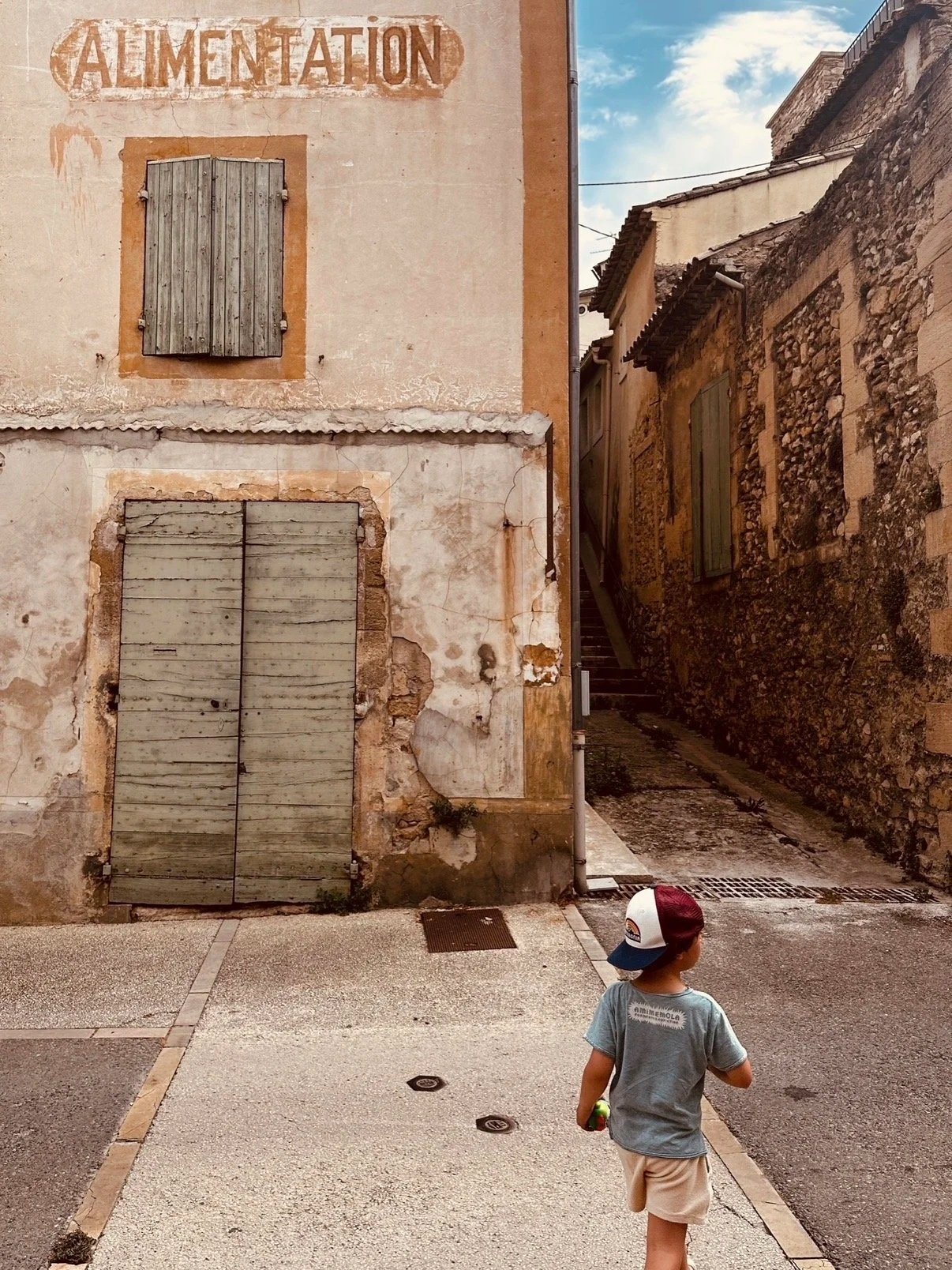
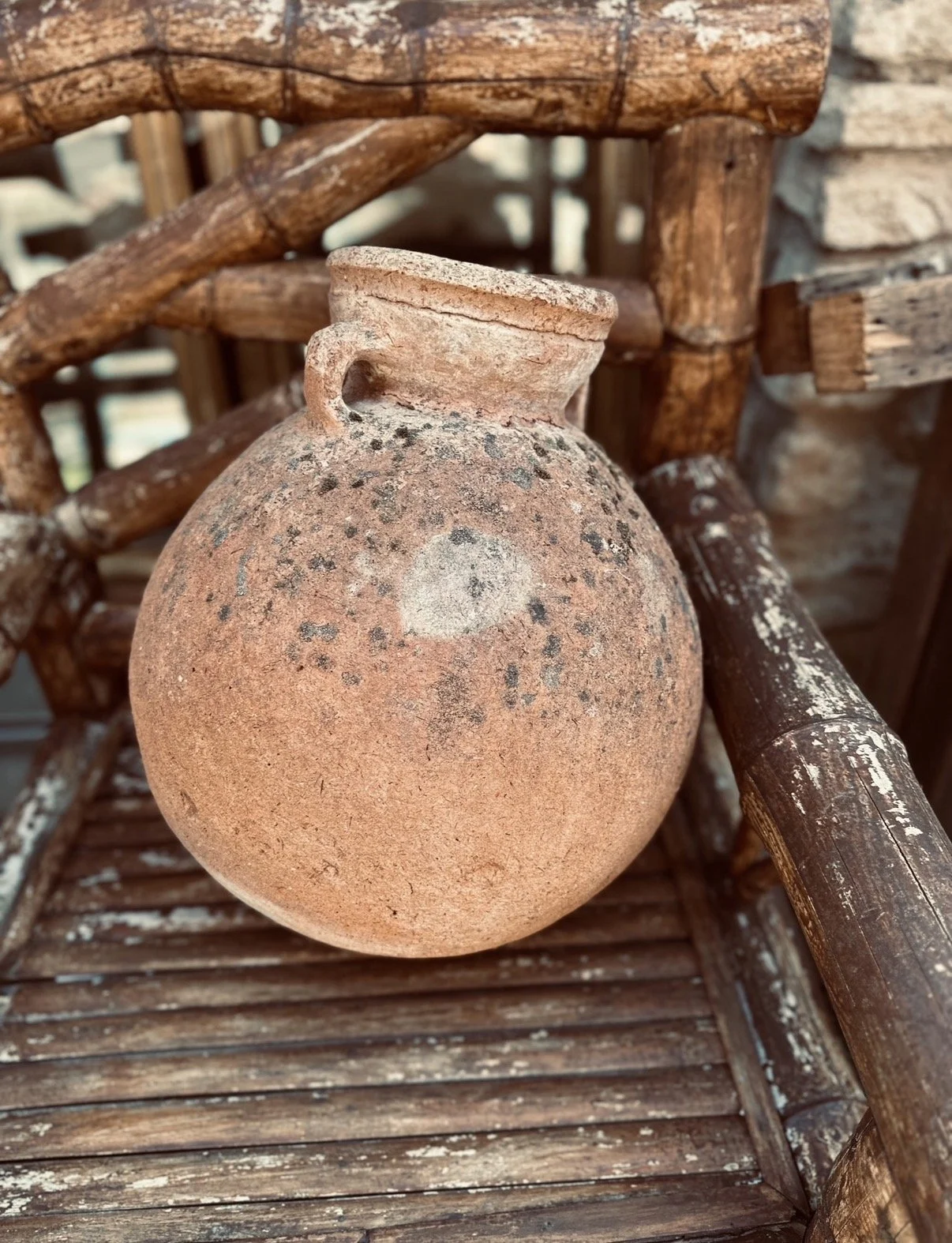
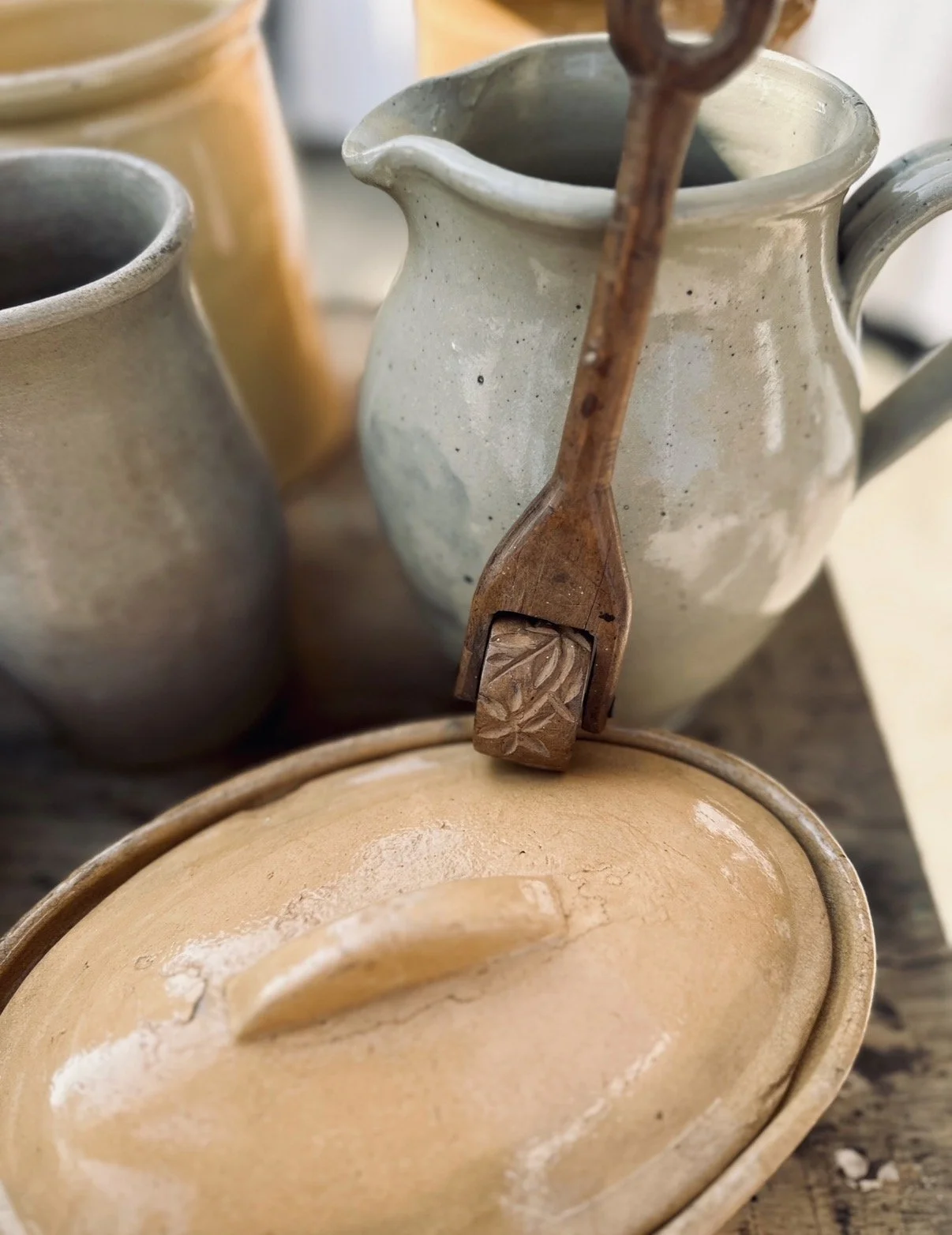
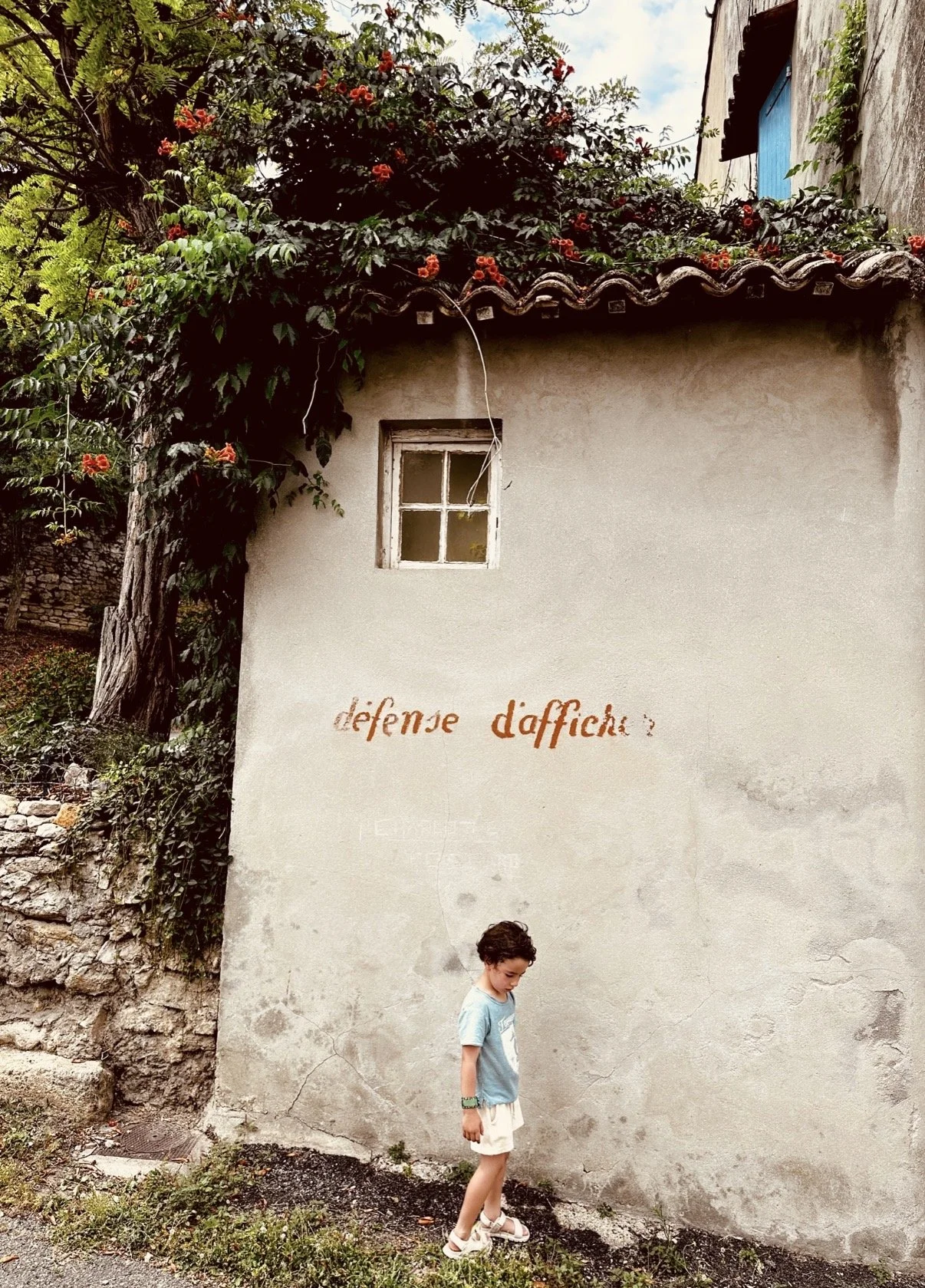
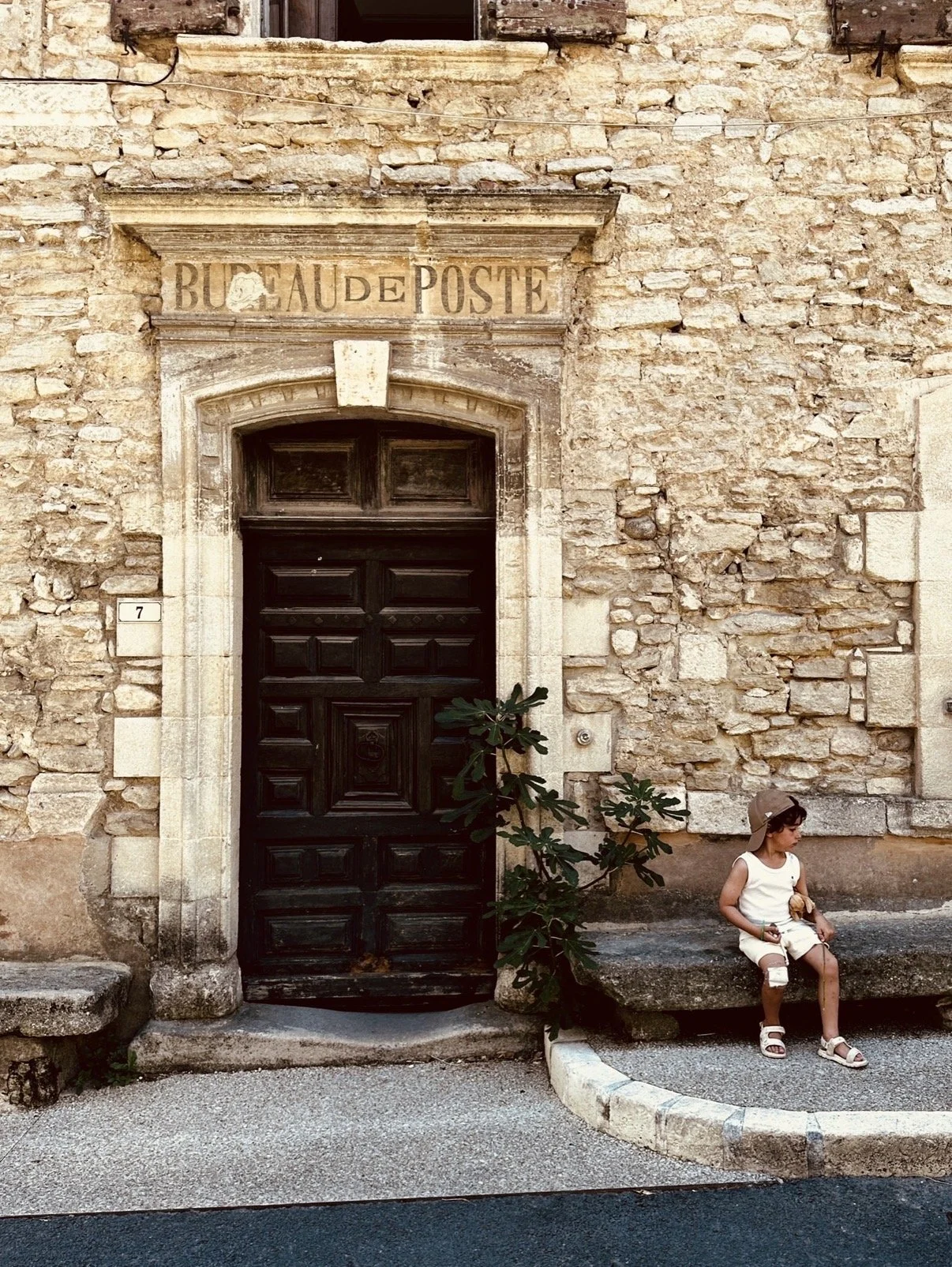
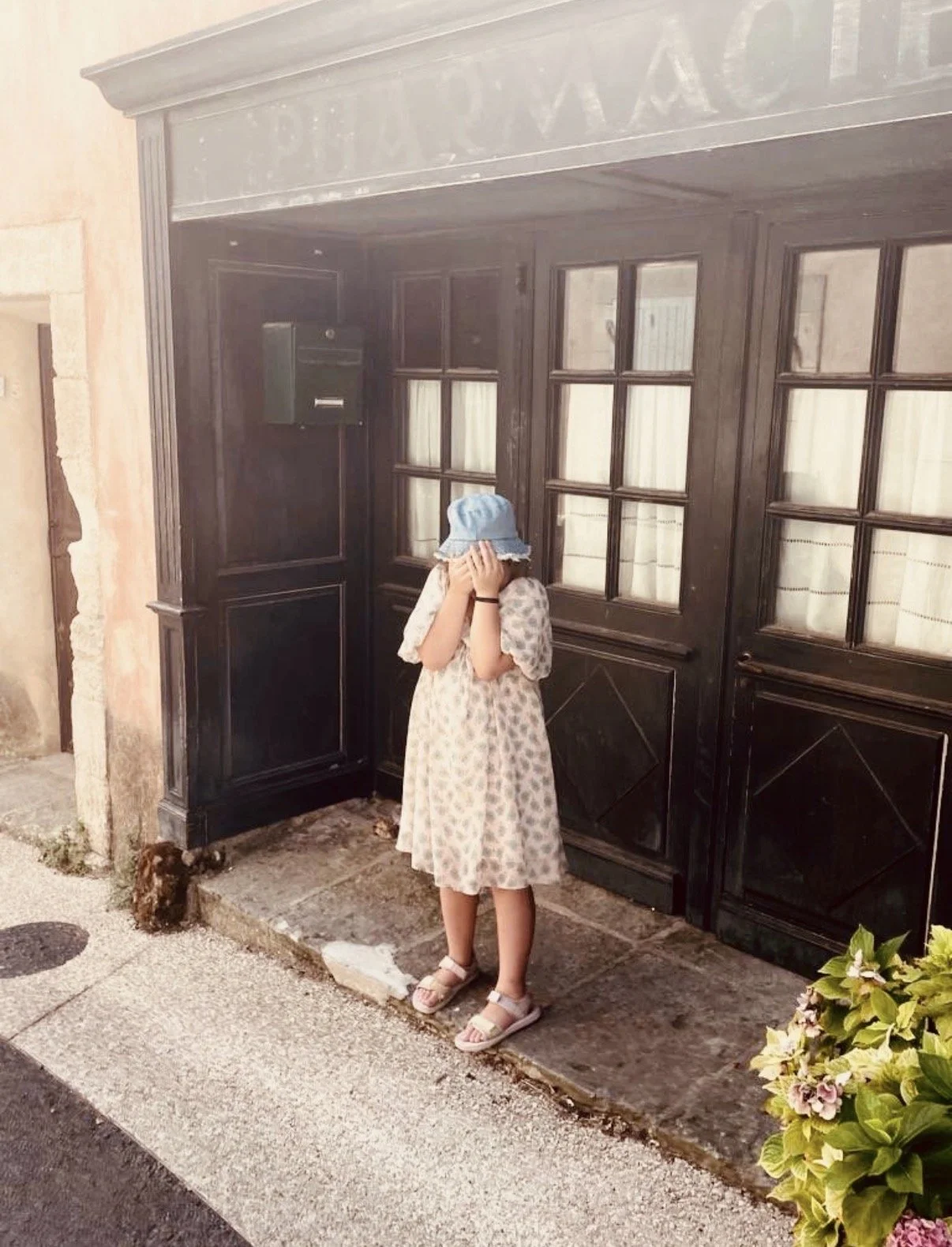
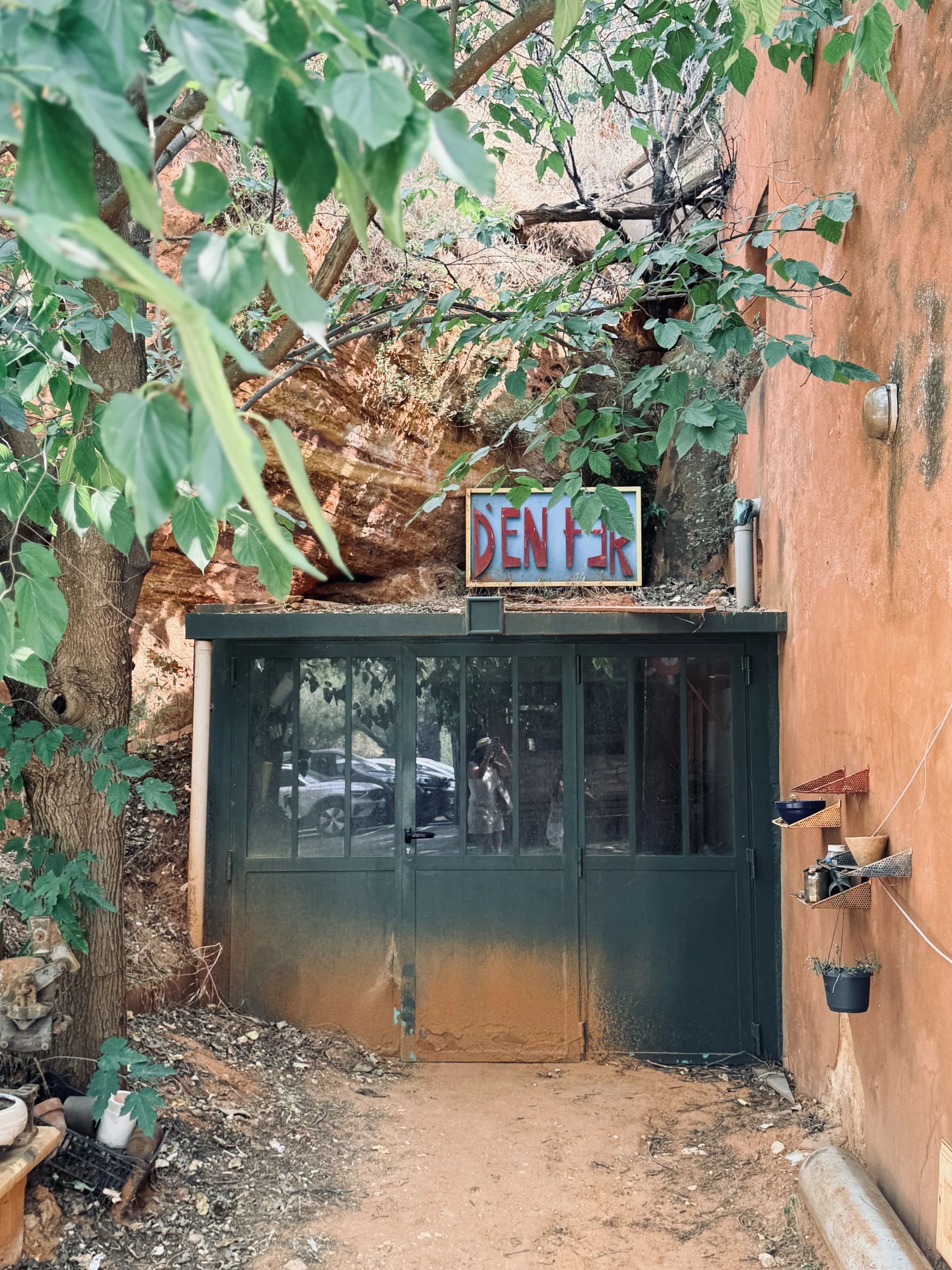
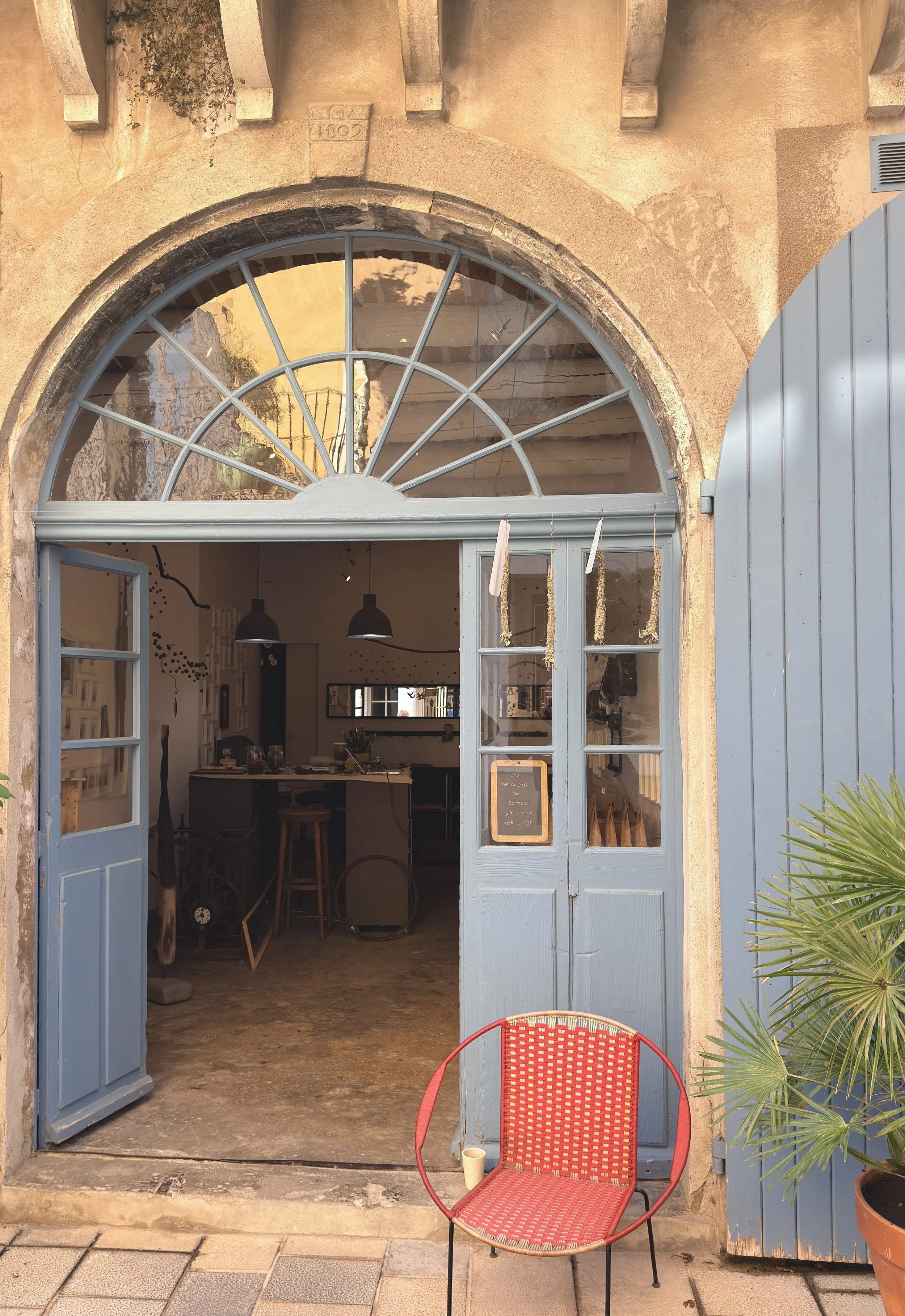
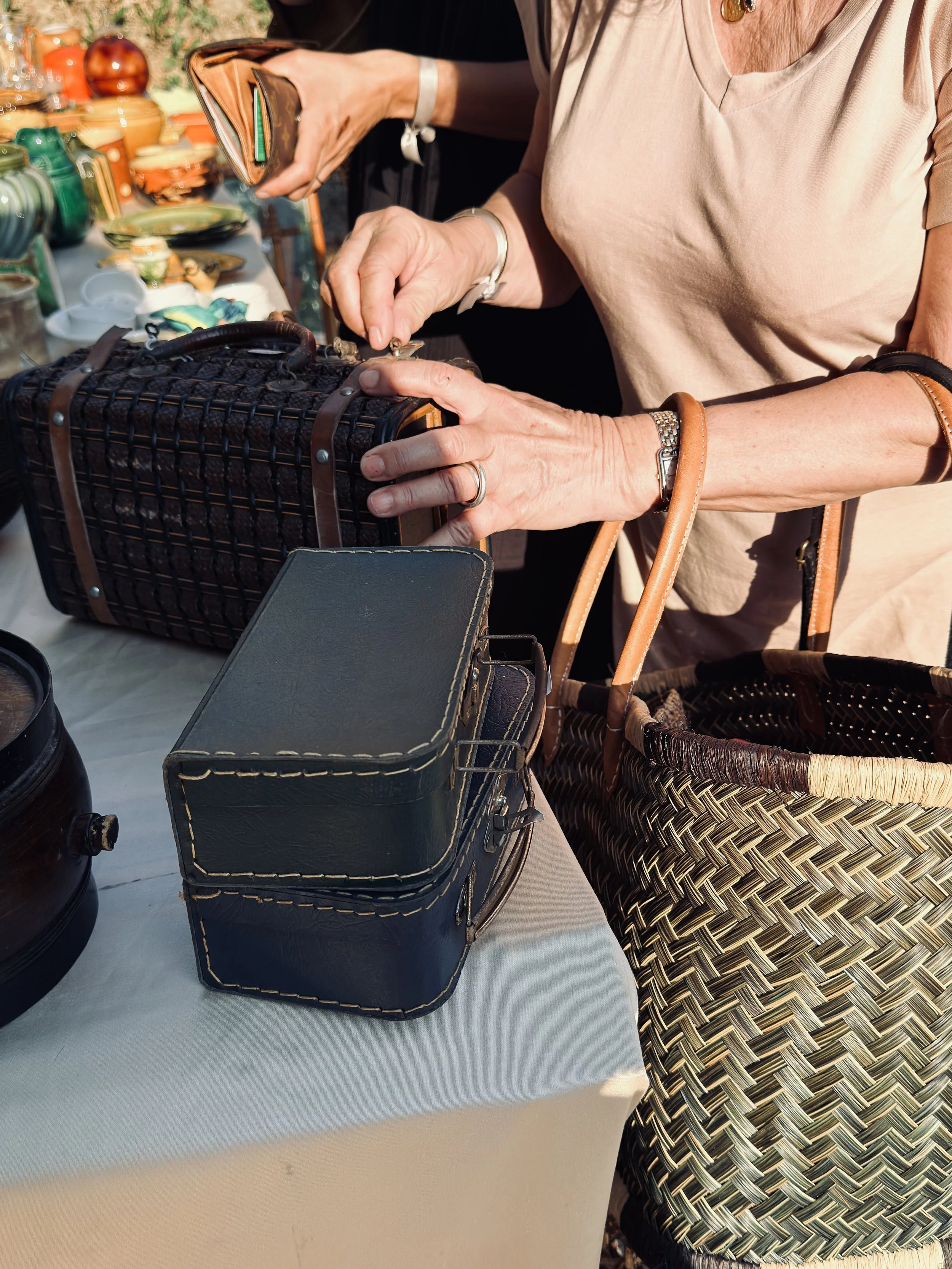
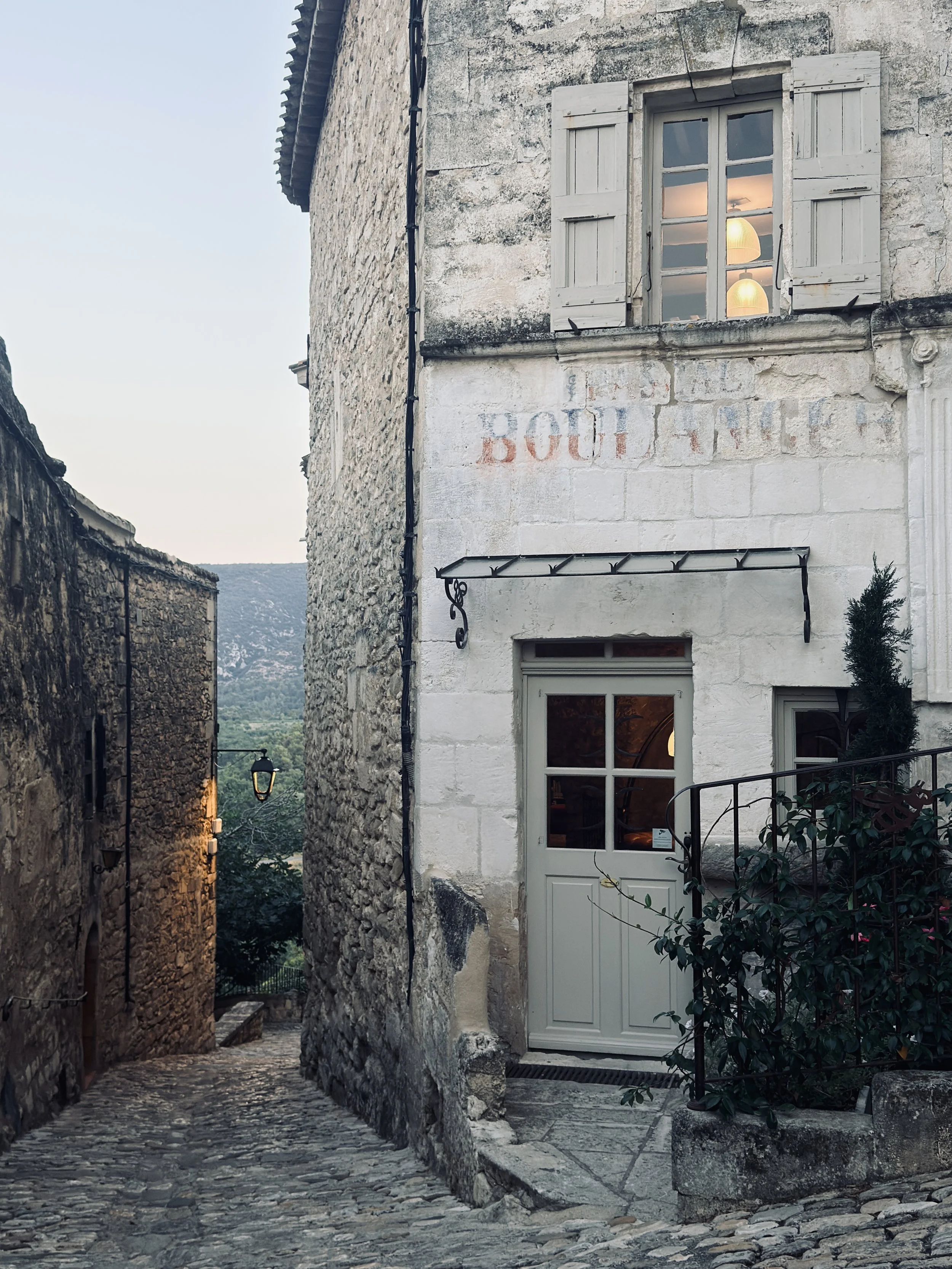
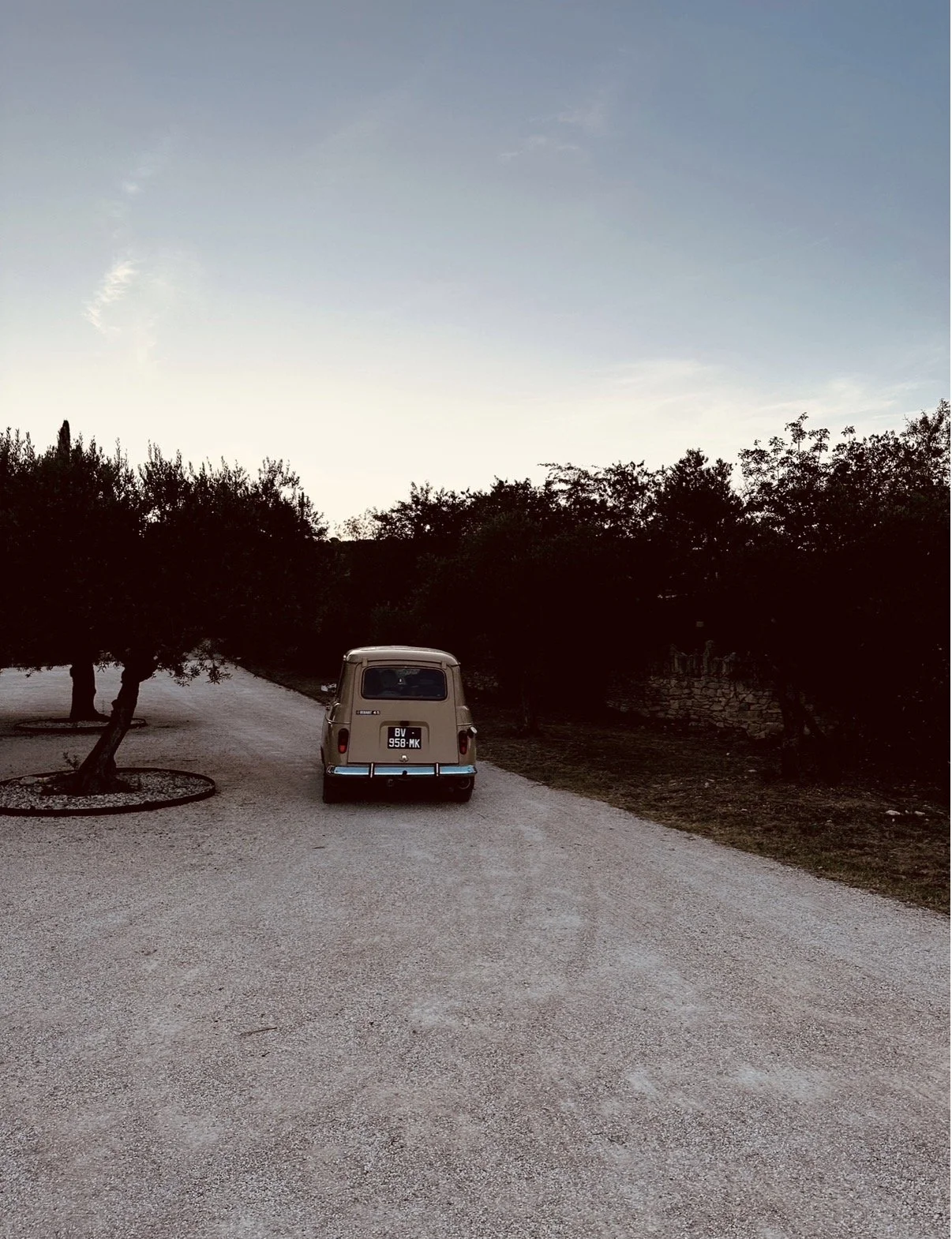
Perhaps this is also why Provence has always been such an inspiration to me creatively. It is a place where beauty is found in the smallest details: an old wooden shutter faded by time, a stone fountain in a village square, a forgotten sign from another era, ancient paving stones, or an old French car parked along a quiet road.
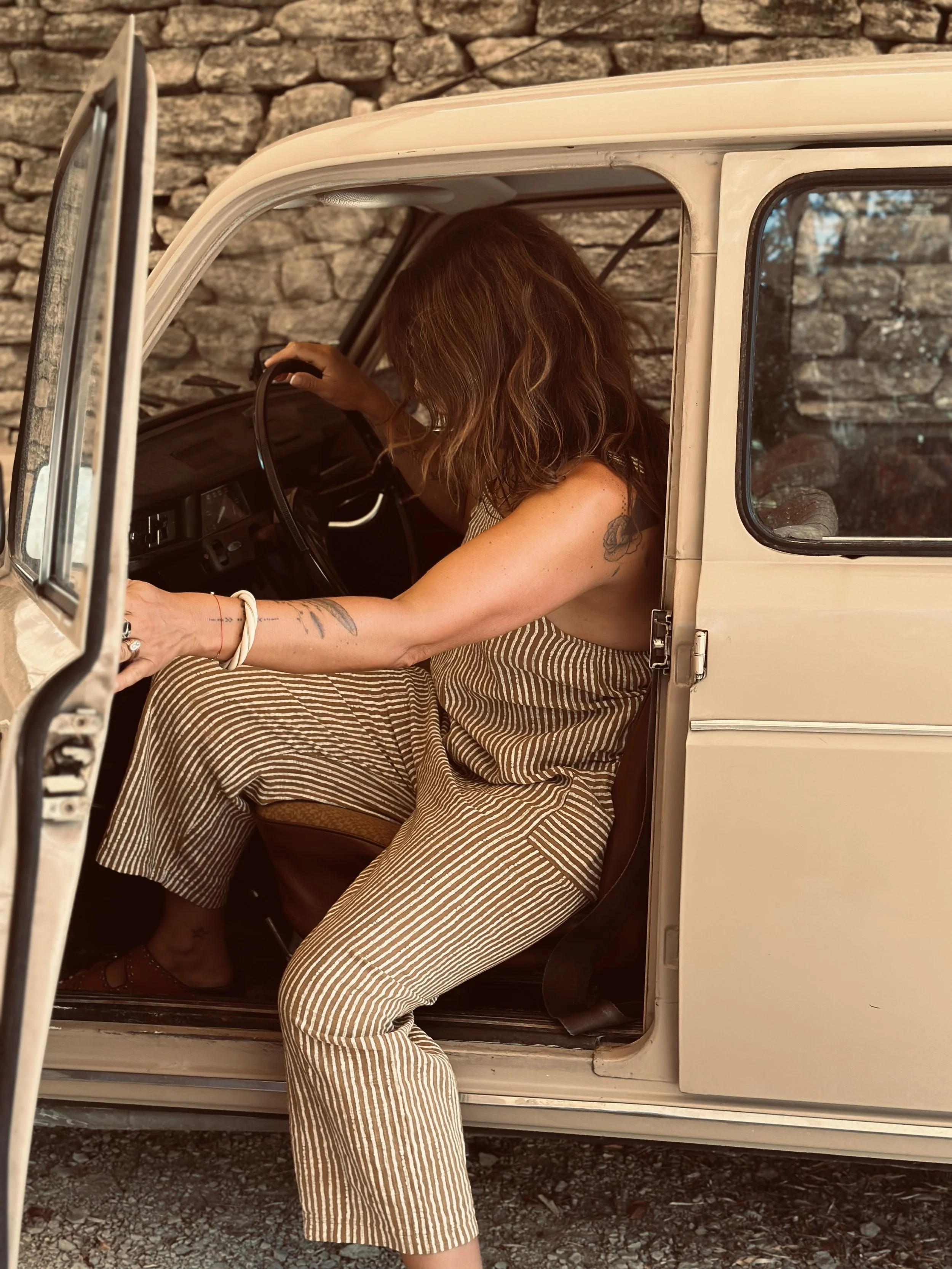
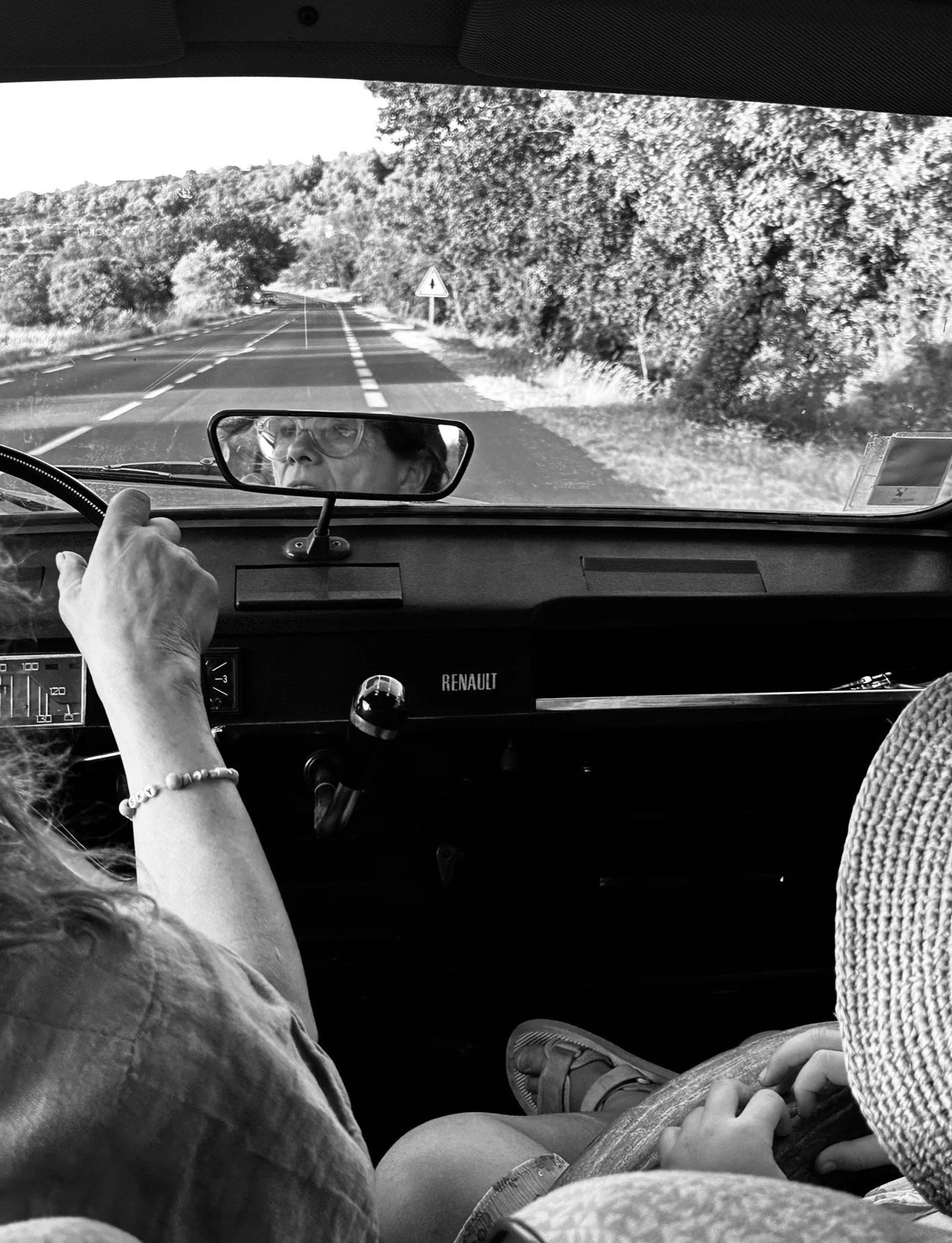
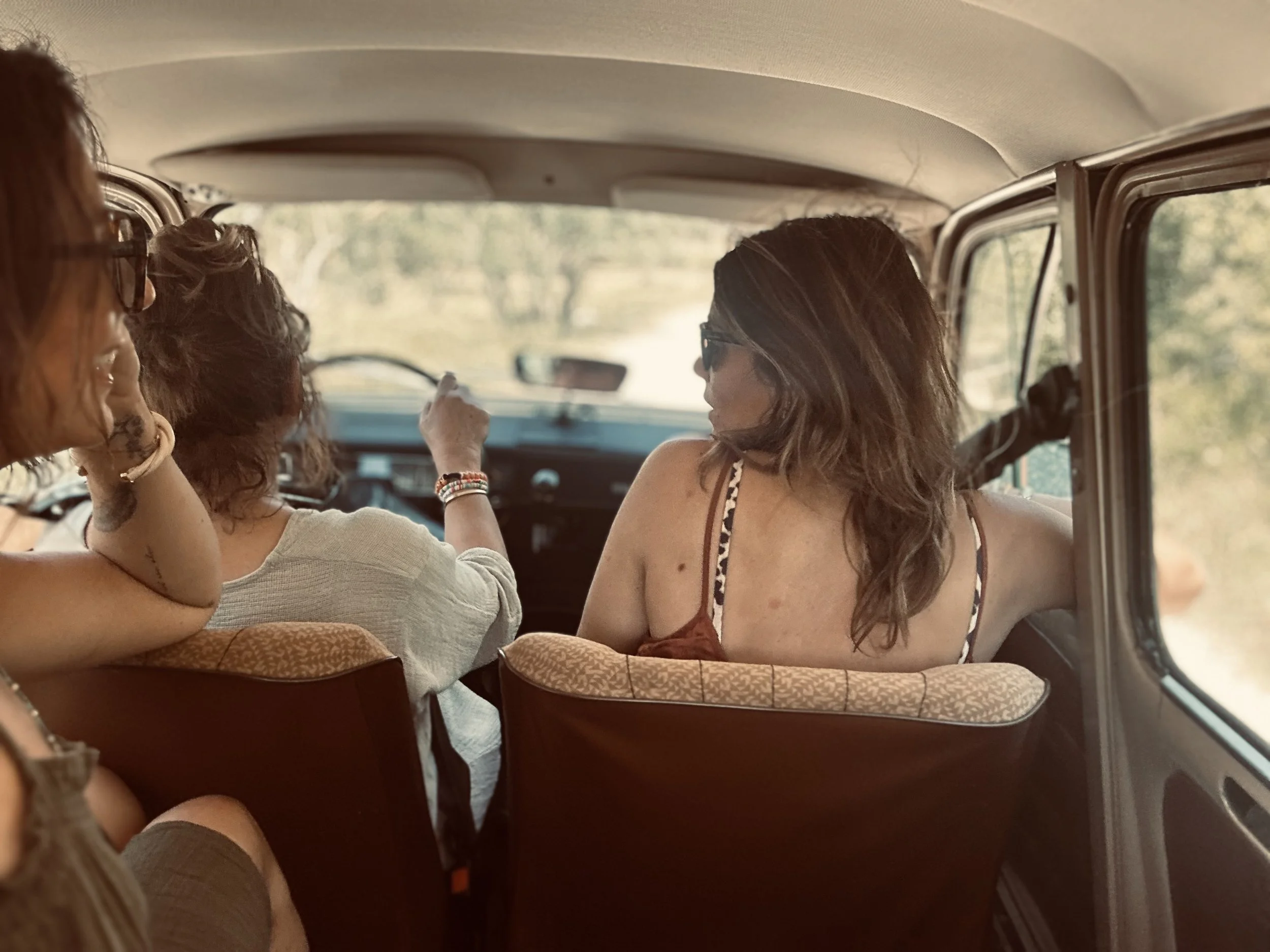
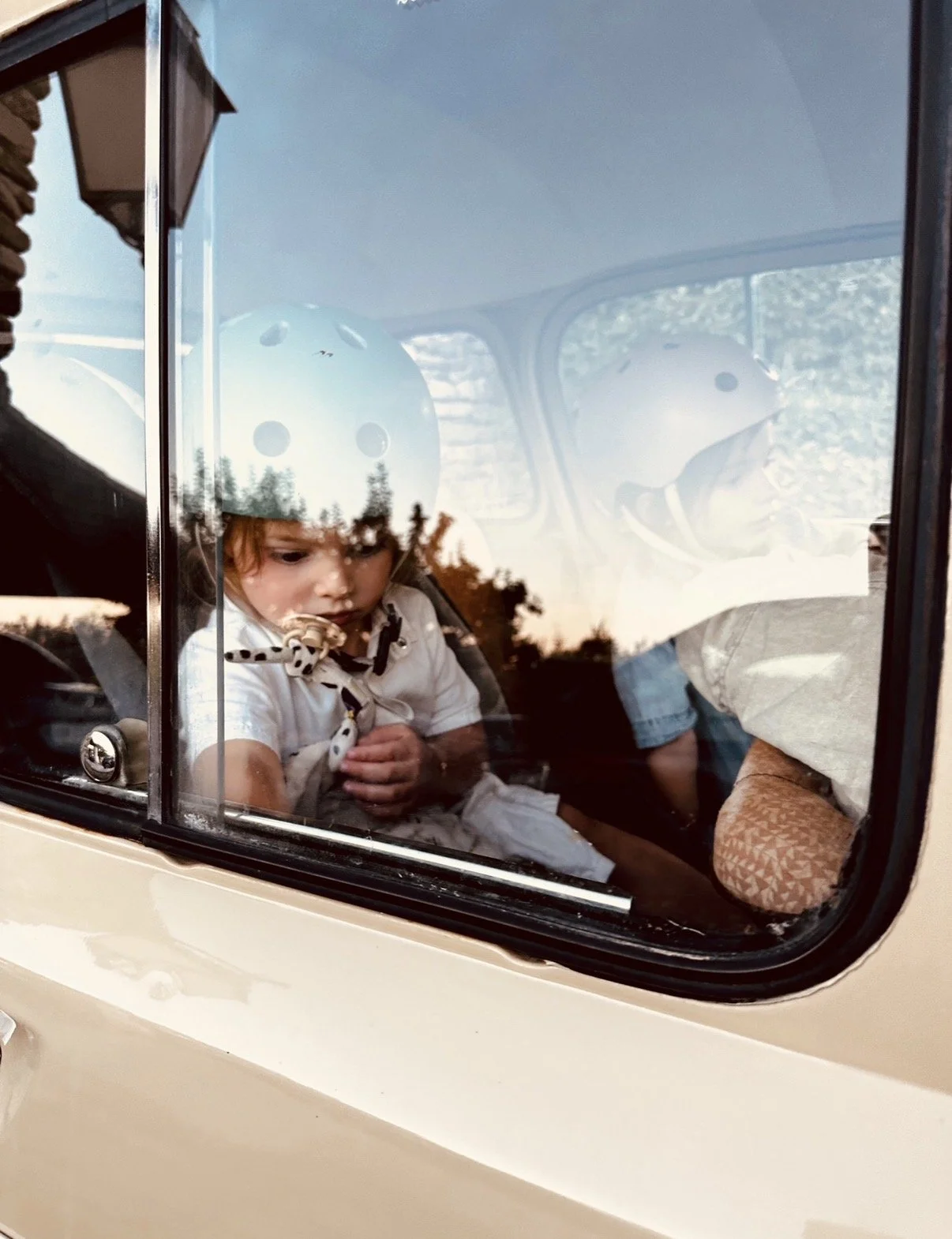
Sometimes, driving through these villages in my mother’s vintage 4L, I feel like I am travelling back in time. It reminds me of the films of ‘Marcel Pagnol’ that shaped so much of my childhood, those stories filled with family, nature, simplicity and the poetry of everyday life.
I have now been returning to Provence every year for more than four decades. It is a place I know deeply, yet it continues to surprise and move me every single time.
Because Provence is not only where I come back to, it is a place that reminds me where my family come from.
WHY DOES BEAUTY FEEL SO EFFORTLESS HERE?
I’ve often wondered why I find Provence so endlessly inspiring.
Perhaps it’s because beauty here never feels staged or overthought. It reveals itself quietly, in the details most people might walk straight past.
A weathered wooden shutter faded by decades of sunshine. An old stone fountain hidden at the end of a narrow village street. Ancient paving stones polished by centuries of footsteps. A handwritten sign that hasn’t changed in years. A forgotten Citroën or Renault parked beneath a plane tree as though time had simply stood still.
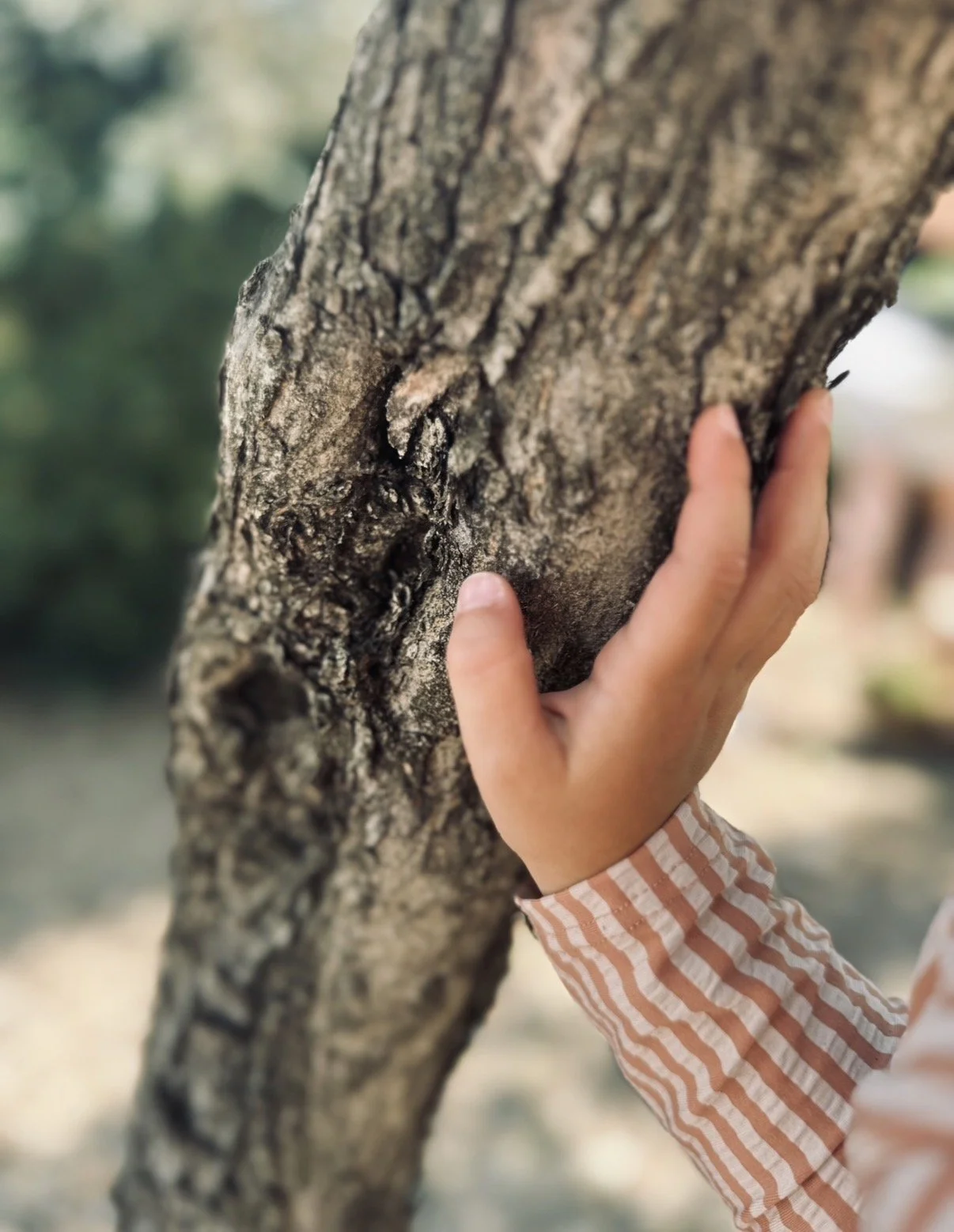
Even the landscapes seem to embrace imperfection. Olive trees twist into sculptural forms, dry stone walls bear the marks of generations before us, and fields change colour with every passing month.
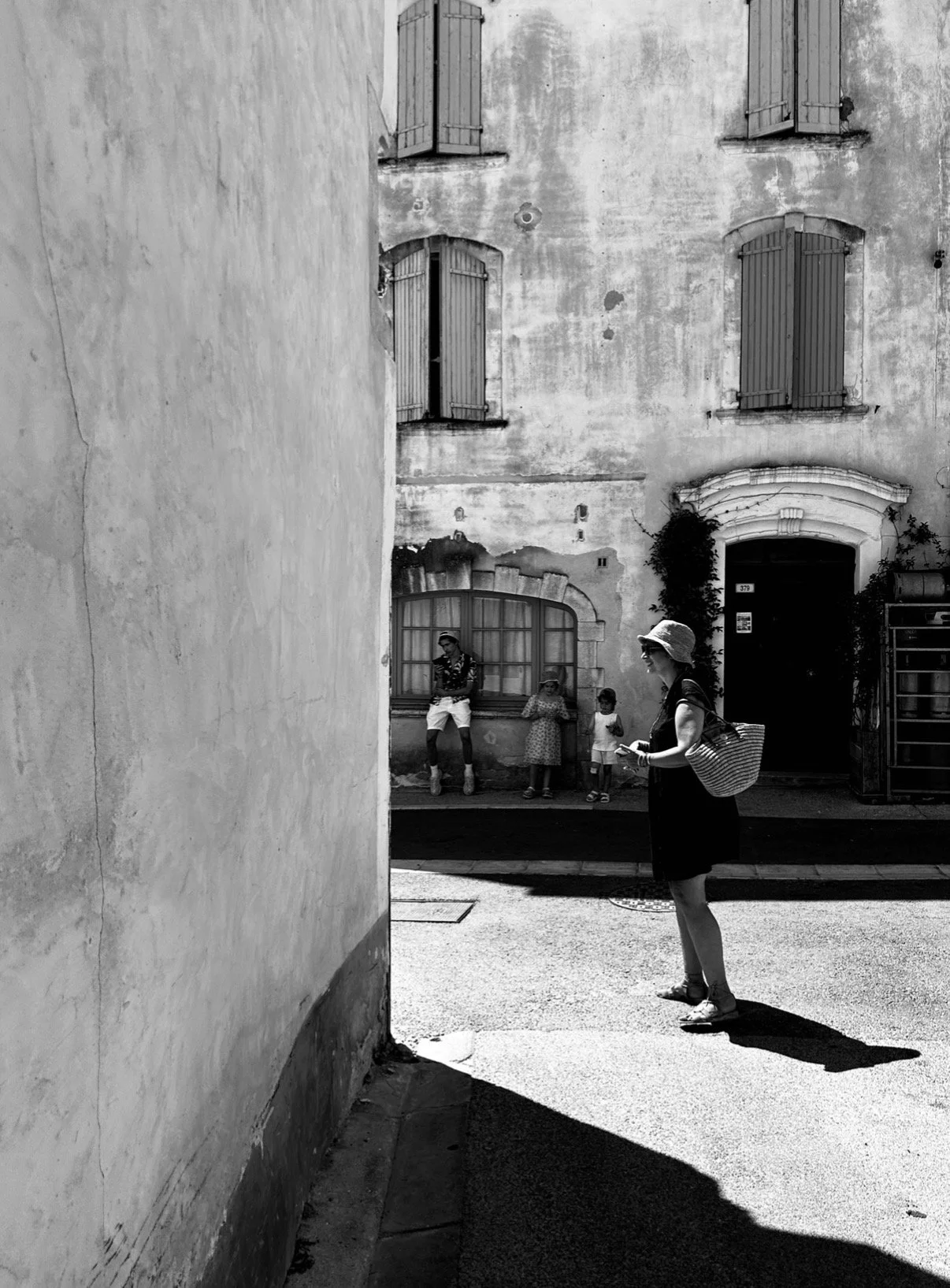
Whenever I walk through Provence, I instinctively slow down. I notice textures, colours and little moments that might otherwise go unnoticed. Perhaps that’s why I love photographing this region so much. It has taught me that beauty doesn’t need to be perfect to be memorable.
In many ways, Provence changed the way I see the world. It taught me to appreciate character over perfection, authenticity over polish, and to find inspiration in the ordinary.
WHY DOES PROVENCE ALWAYS SPARK MY CREATIVITY?
People sometimes ask where my ideas come from, the truth is, they rarely appear when I’m sitting behind a desk, instead, they arrive unexpectedly during a morning at the market, while wandering through an antique shop, driving along quiet country roads or simply watching the evening light transform an old stone façade. Provence has never been somewhere I come to be productive, it’s where I come to observe, to collect colours, to notice textures, to admire craftsmanship, to slow down enough for ideas to emerge naturally.
Every summer, I find myself returning home with pages filled with notes, photographs of forgotten details, colour palettes inspired by the landscape and a head full of new ideas.
Looking back, I realise that Provence has shaped not only my personal memories, but also my creative eye. Its quiet beauty has influenced the way I style, photograph and tell stories through MUSE Studio.
Creativity, I’ve learned, doesn’t always come from searching for inspiration. Most of the time, it simply comes from giving yourself the time and space to notice what’s already around you.
WHY DOES A MEAL ALWAYS FEEL LIKE A CELEBRATION?
I grew up in a family where food was never just about eating. It was about gathering, sharing and creating memories.
On my father’s side, my Moroccan heritage taught me the importance of generous family meals: large tables filled with colours, flavours and dishes meant to be shared. Meals were never rushed. They were moments of connection, where everyone gathered together, often eating with their hands, passing plates around and enjoying the simple pleasure of being together.
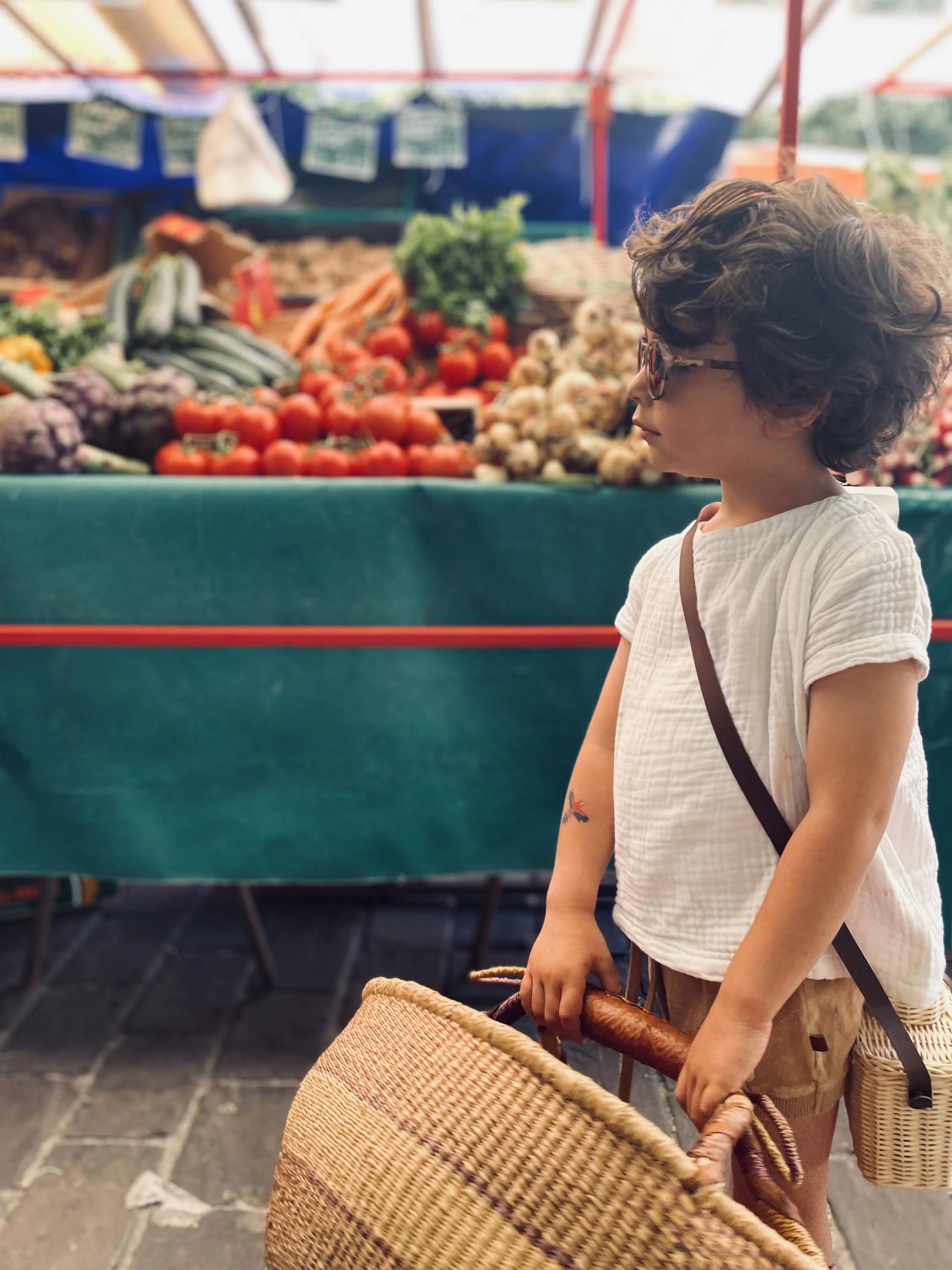
On my mother’s side, with Italian roots and a strong French and Provençal influence, food has always held the same importance. In our family, the kitchen is truly the heart of the home. It is where conversations happen, where recipes are shared, where generations exchange their little secrets and where preparing a meal becomes an act of love. This is why, whenever I return to Provence, visiting the market feels like a ritual.
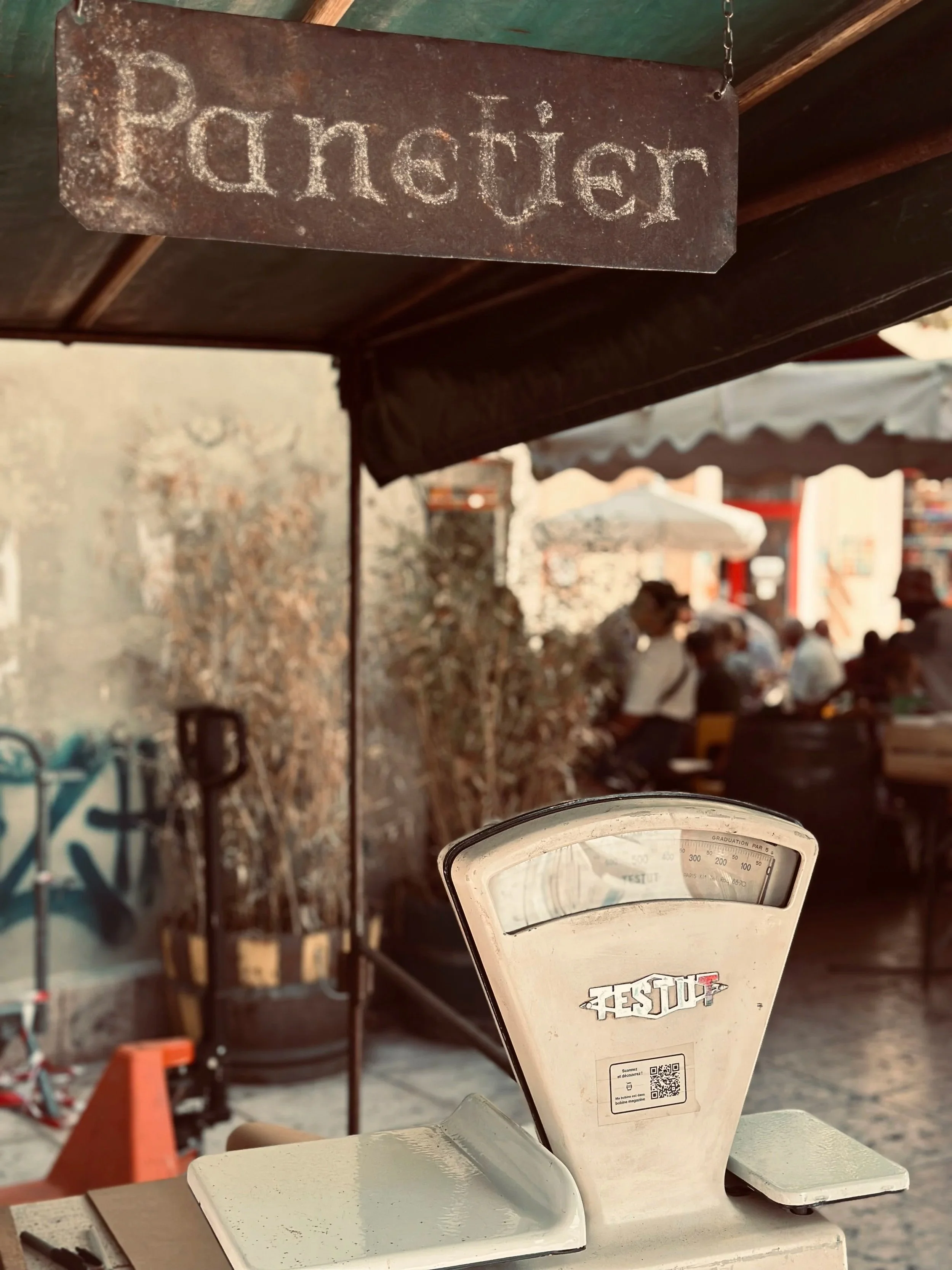
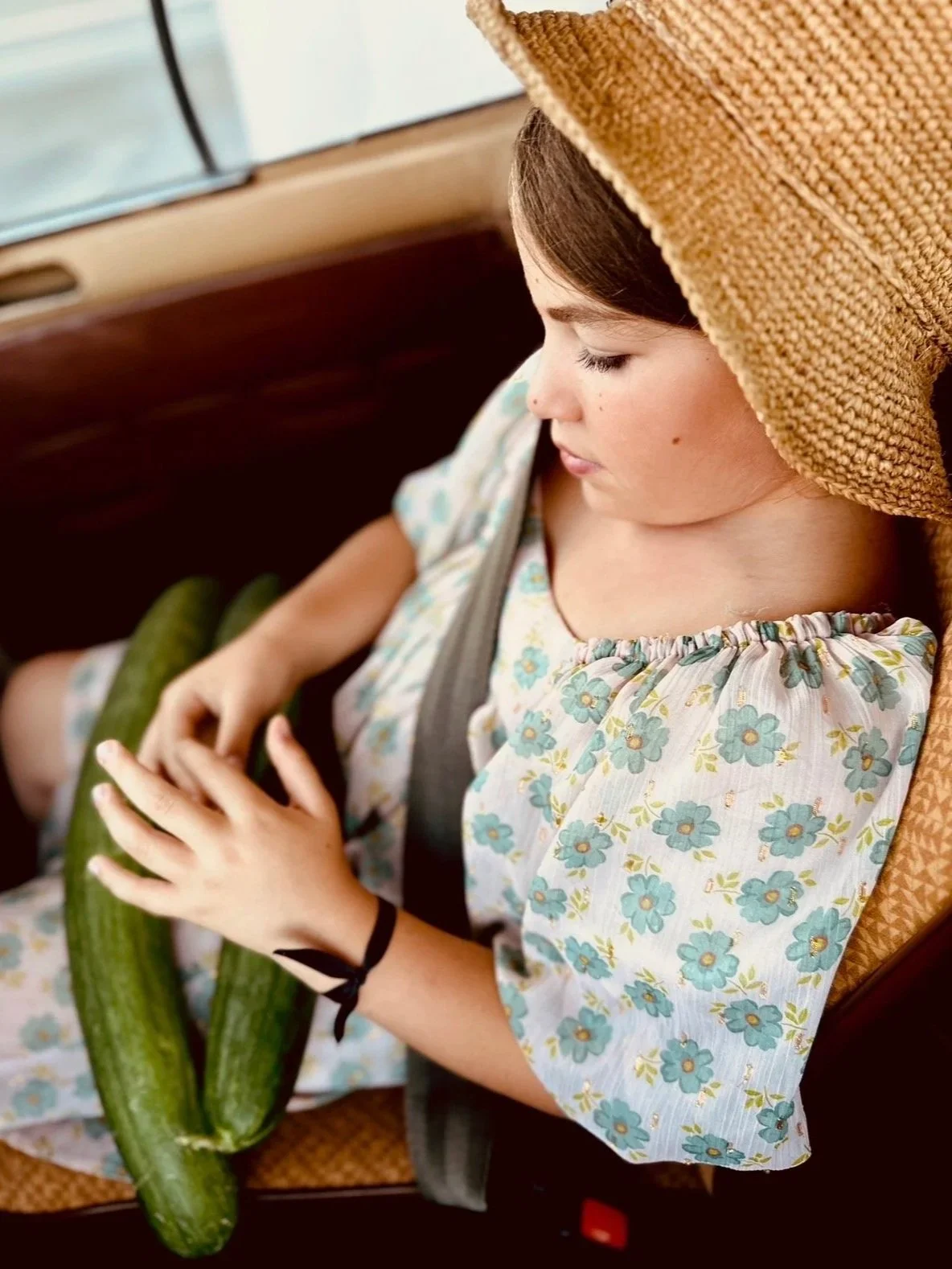
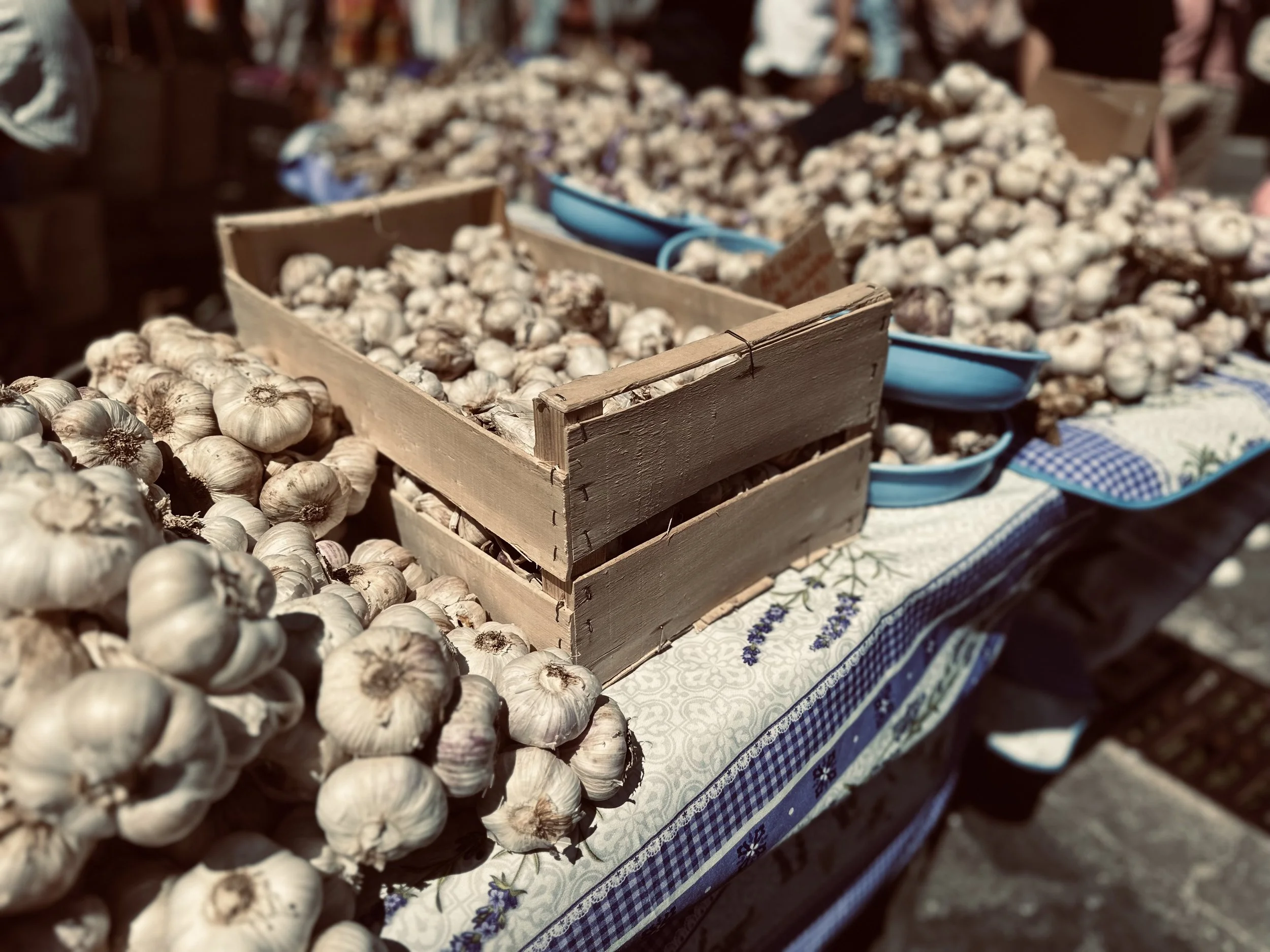
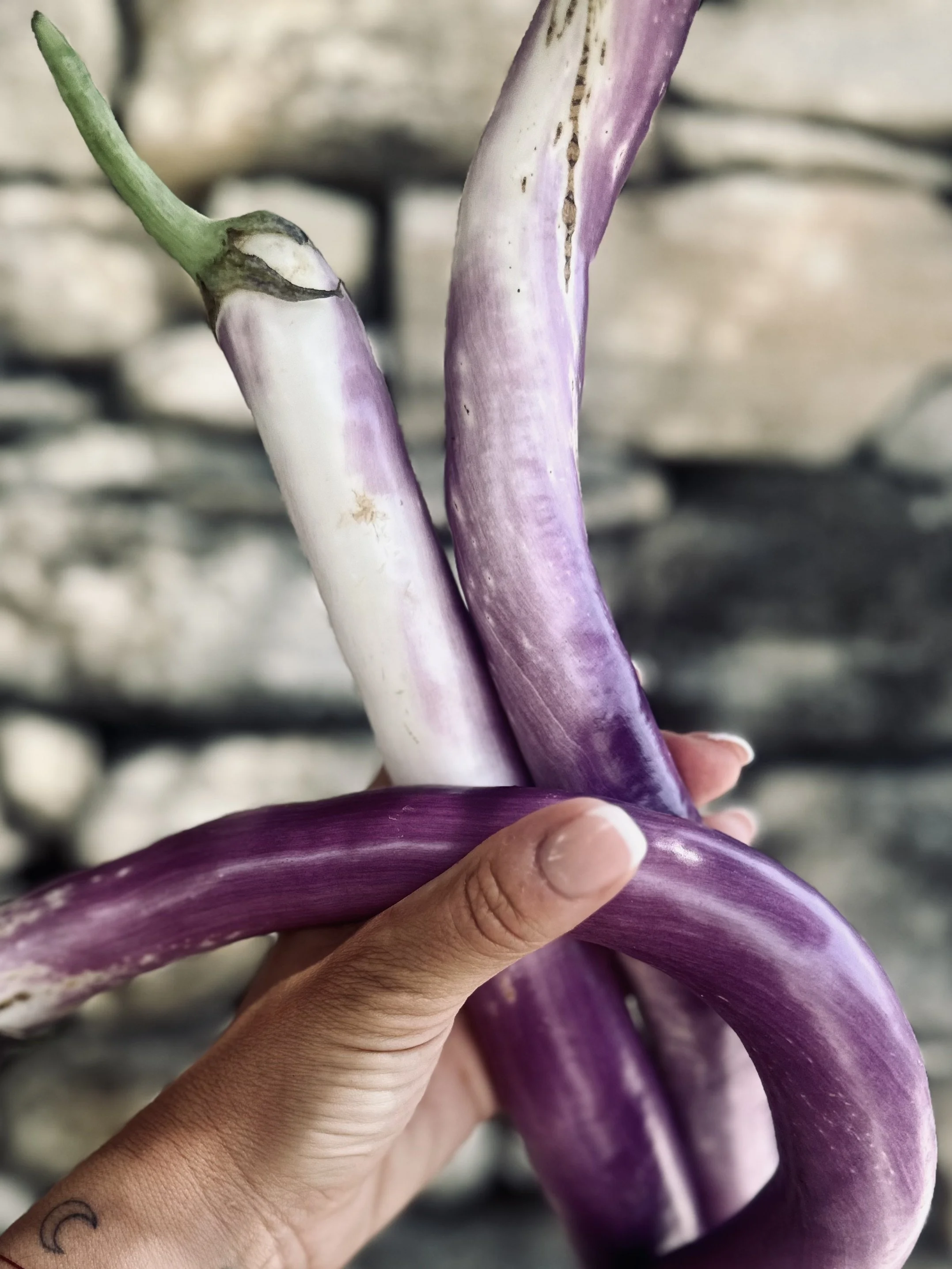
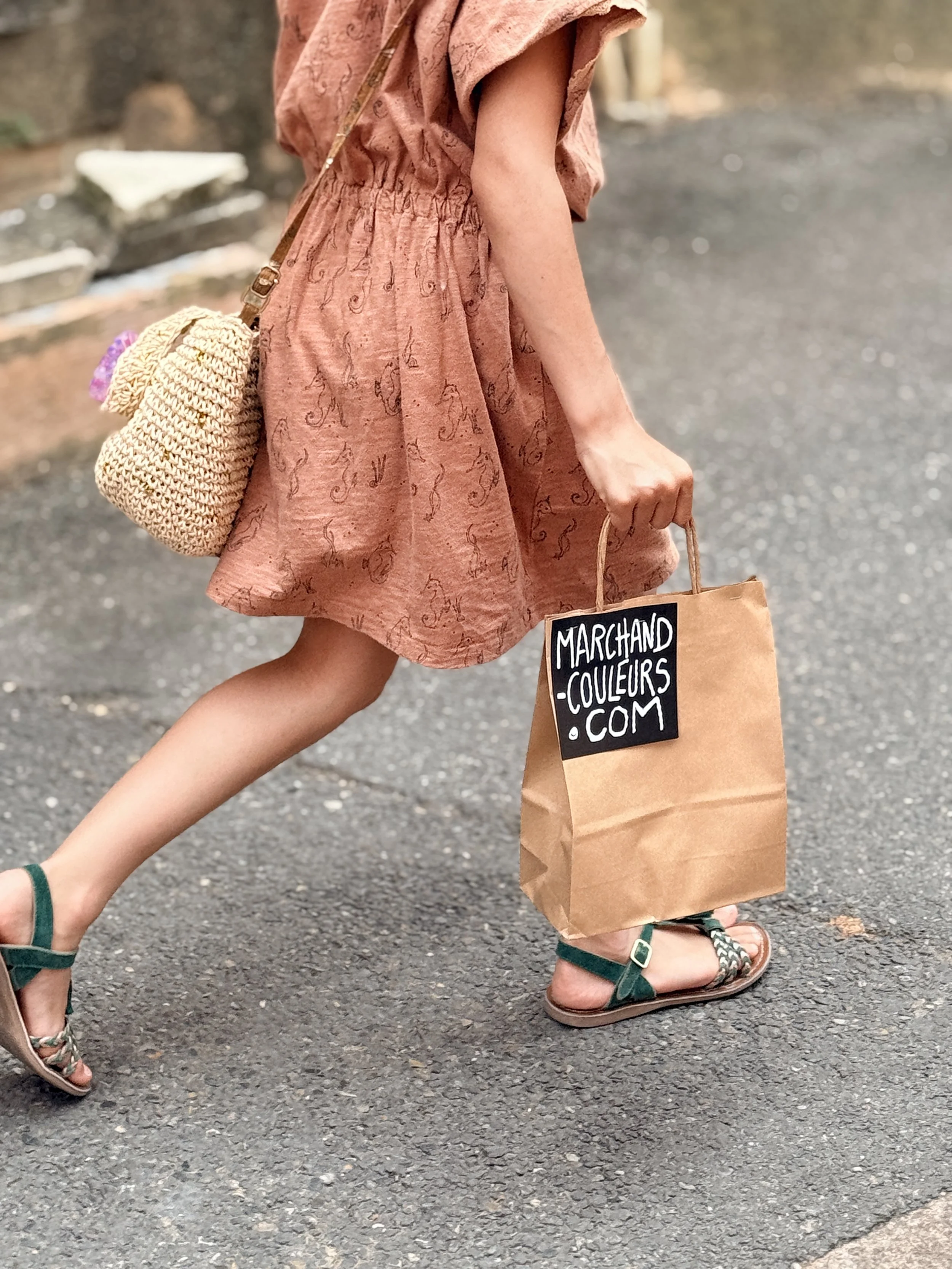
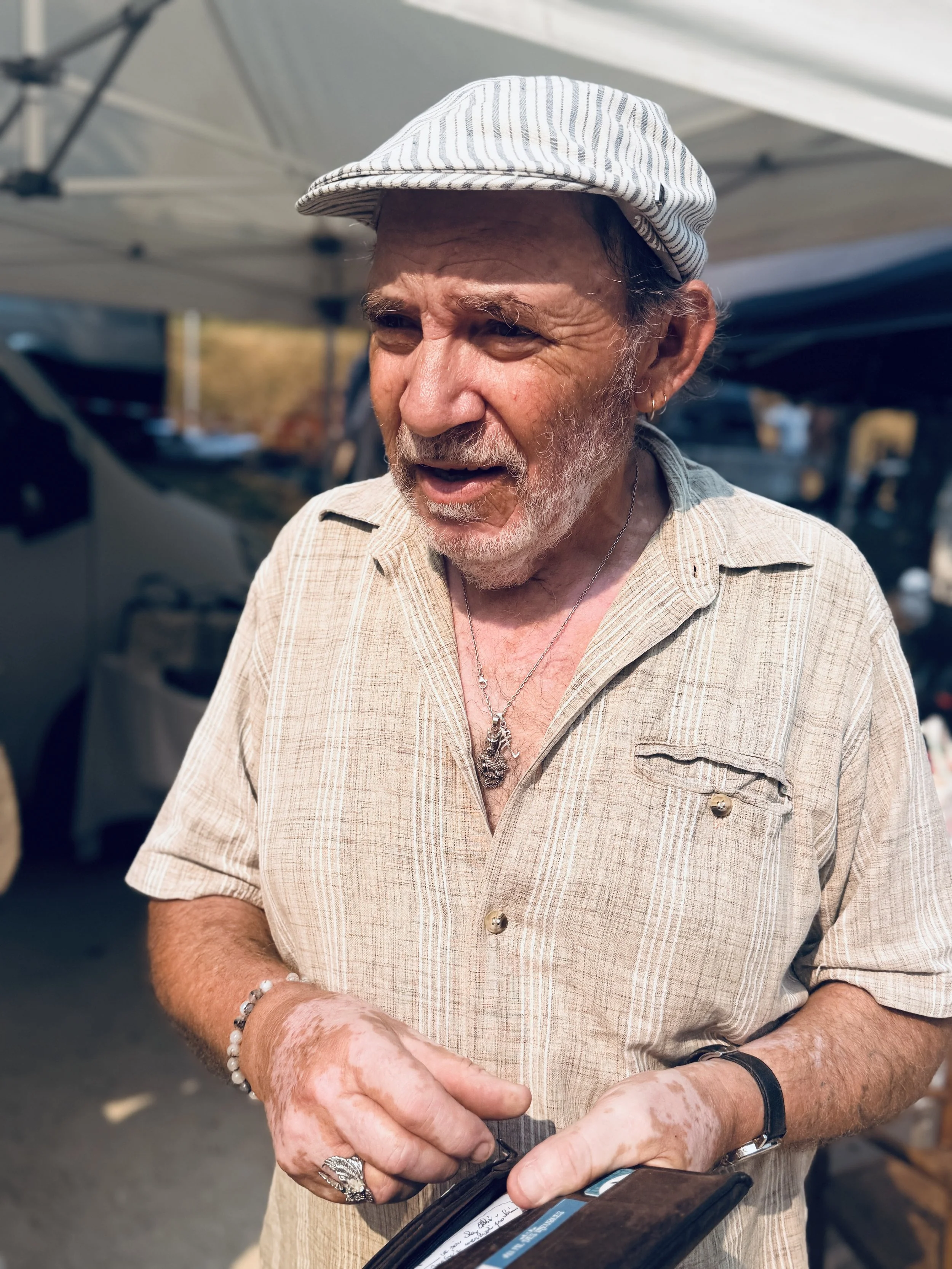
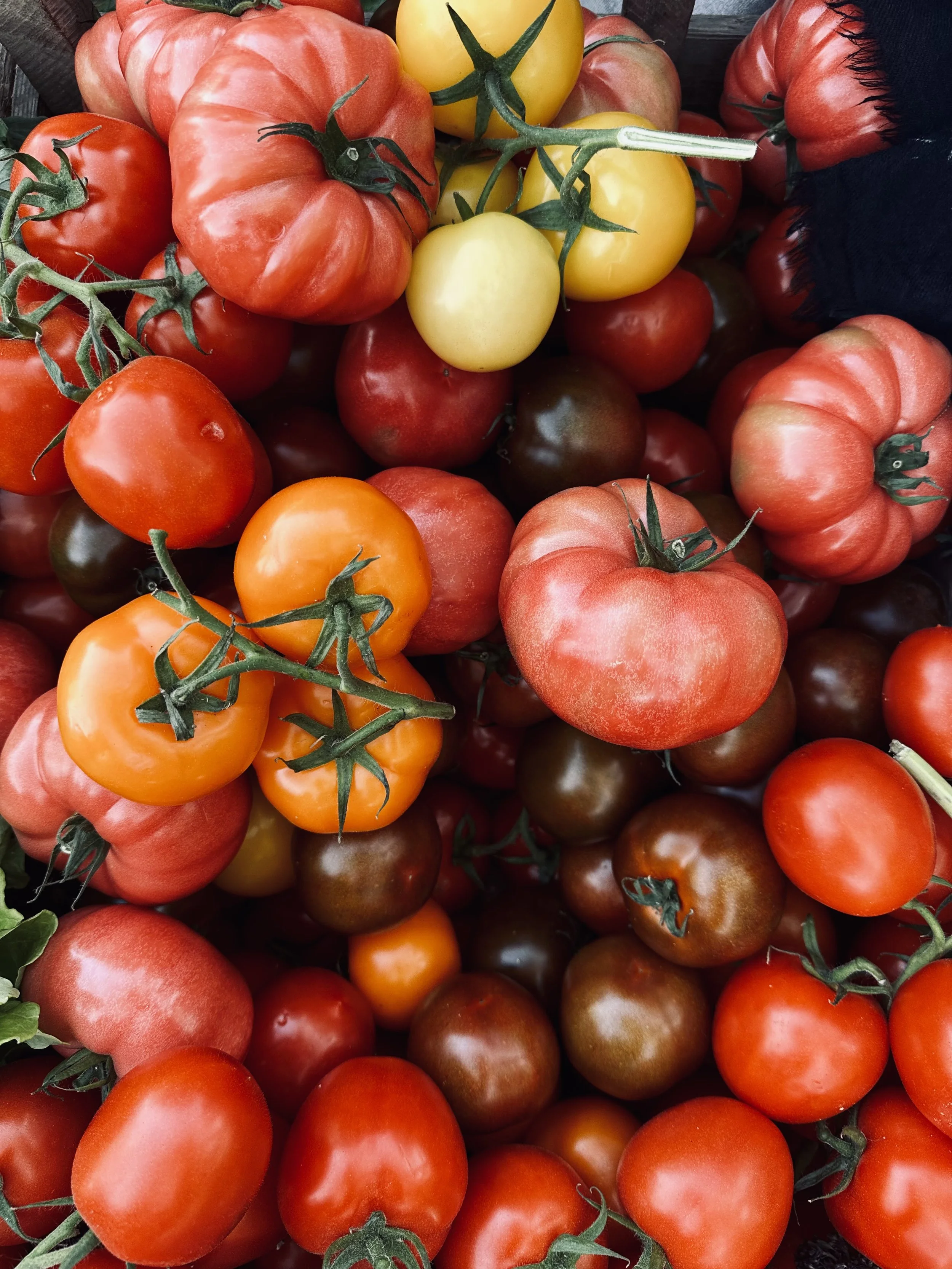
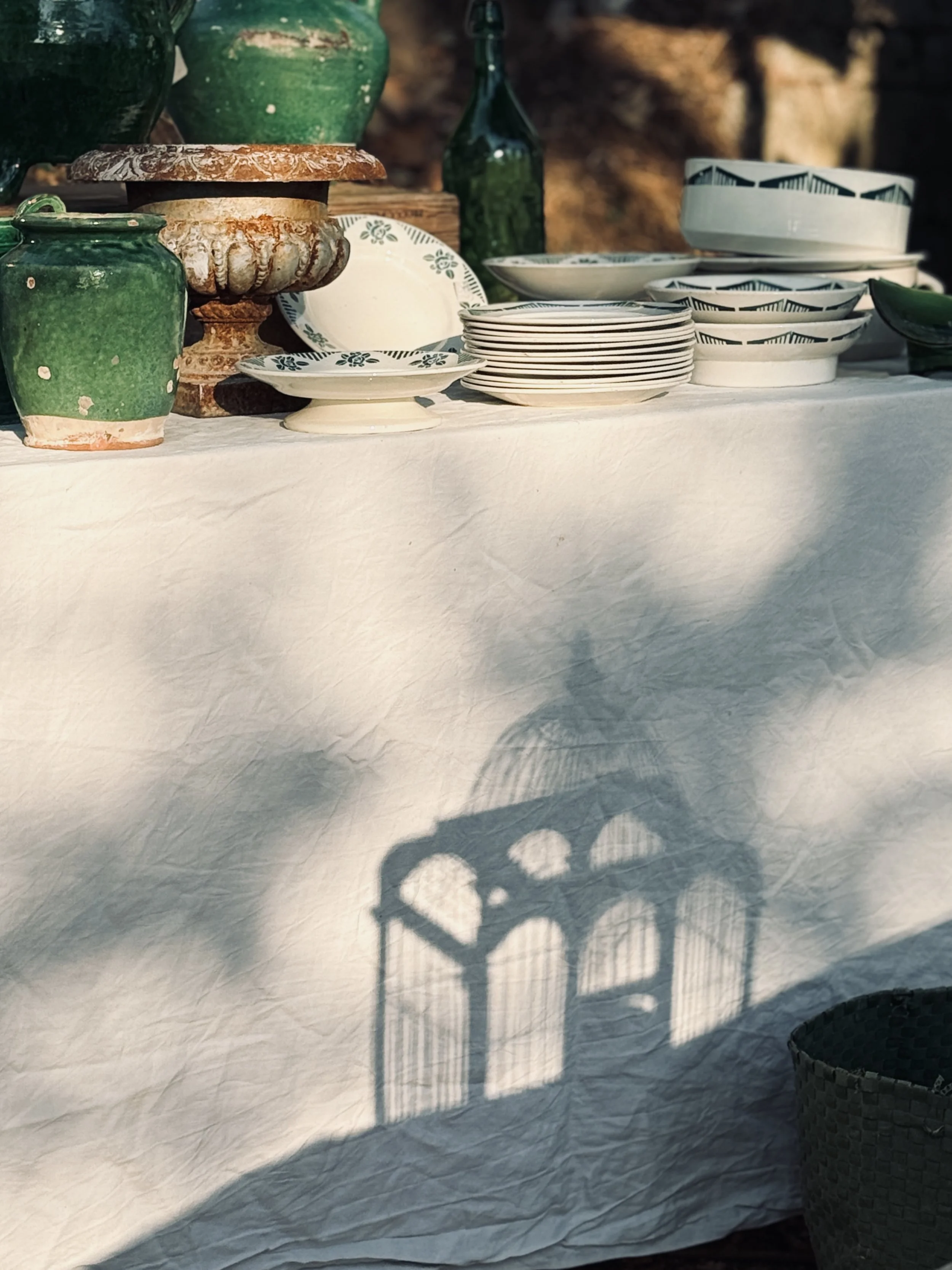
For me, a Provençal market is almost like visiting an exhibition. The colours, the textures, the abundance of seasonal fruits and vegetables, the scent of herbs and freshly picked produce, everything feels like a celebration of nature. I love seeing the beautiful displays, meeting the producers and discovering the ingredients that will later become part of a family meal.
I have always admired the way my mother approaches food. She takes the time to choose every ingredient carefully, whether it is from a local market or directly from a small producer on the roadside. These small producers often specialise in just a few things, a particular cheese, a variety of fruit, a local speciality, but everything is made with care and passion, and it’s wonderful to watch her confidently choose the ingredients at the local markets that she’ll later cook for us.
The journey from the producer to the table is almost a ceremony. First, selecting the best ingredients. Then spending hours in the kitchen, transforming them with patience and creativity. And finally, bringing everything together around a beautifully prepared table.
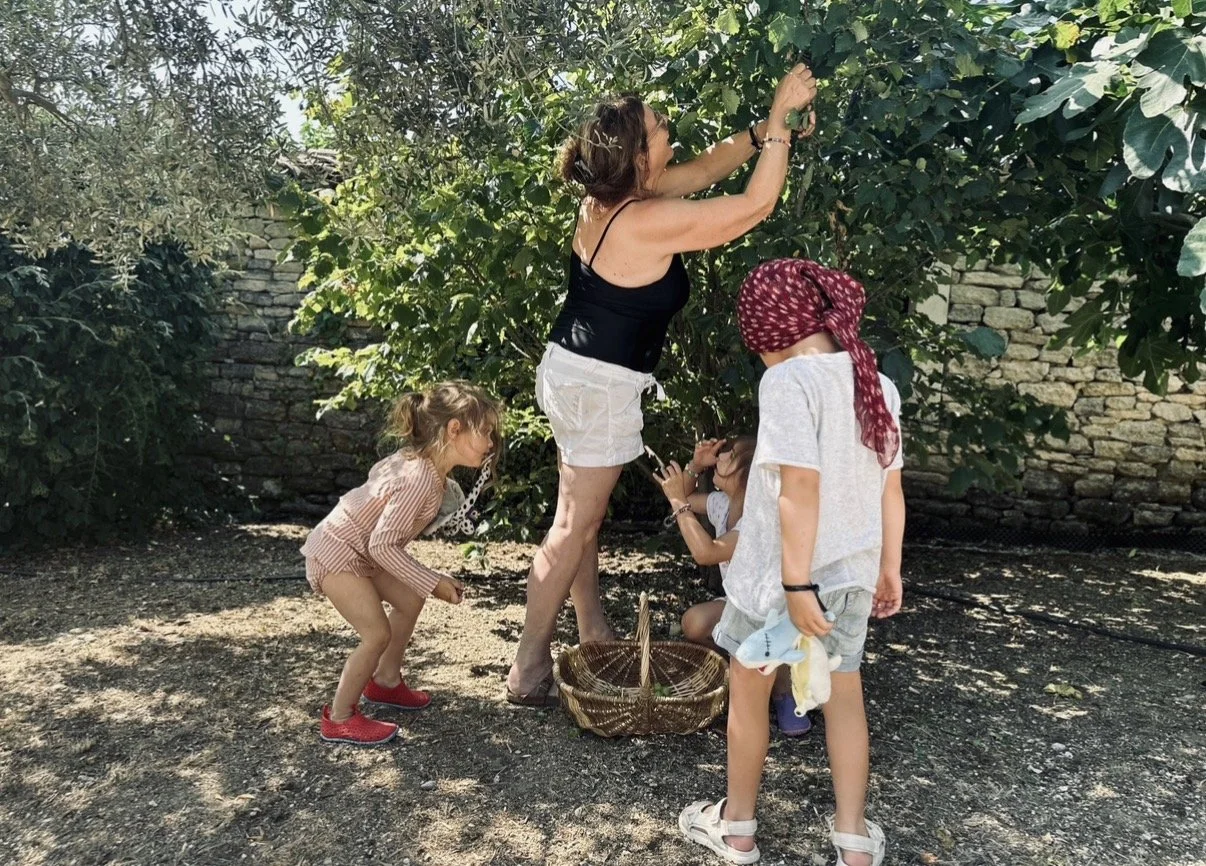
My mother’s meals have always felt like gifts, her colourful dishes, generous portions and attention to every detail are her way of taking care of the people she loves. She also created several vegetable gardens, just as abundant as the meals she prepared for us, because she poured her whole heart, her patience, and her love for nature and for the common good into each one.
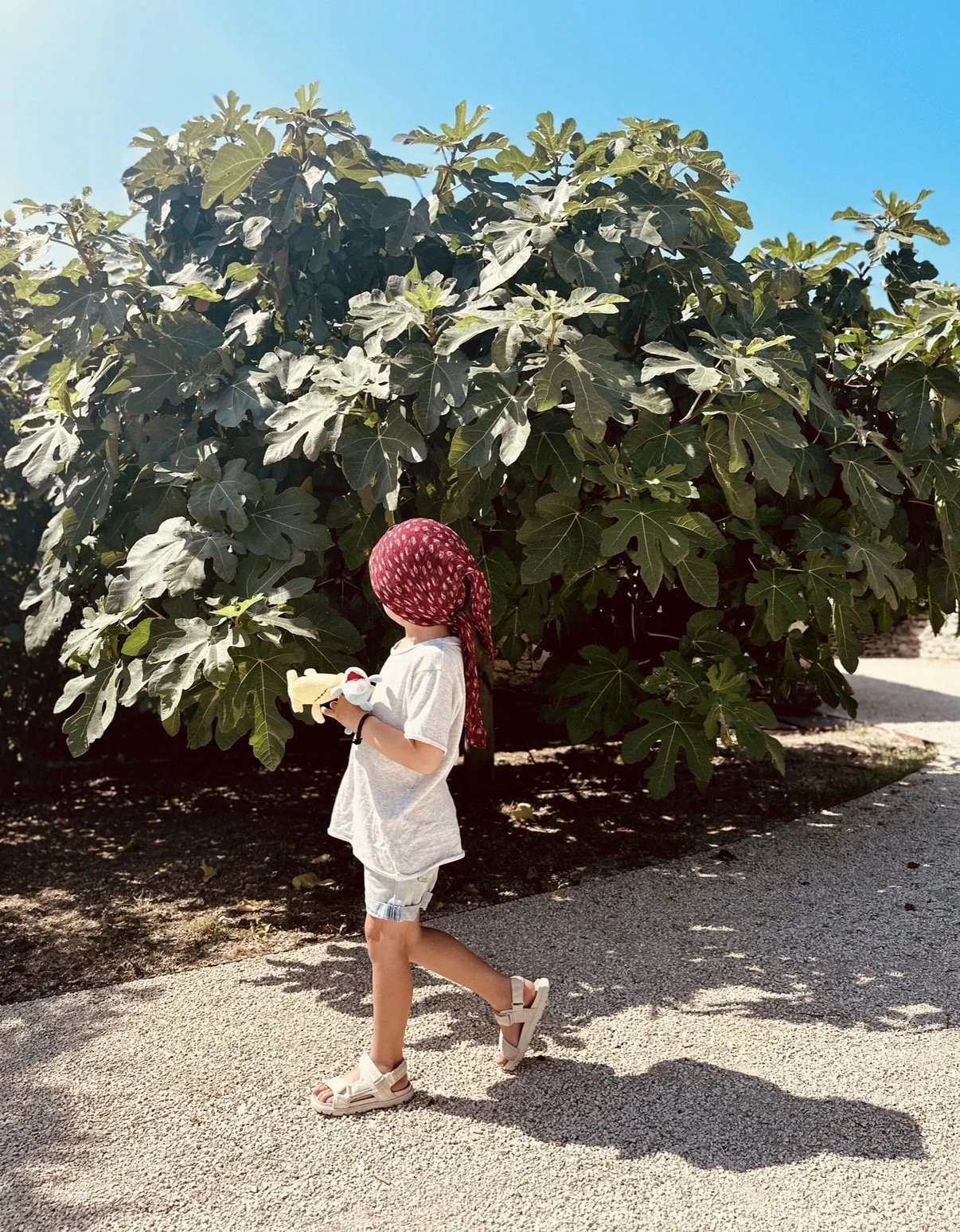
Growing food is an important part of life here. The land is fertile, the harvests are abundant, and the produce is simply delicious. The rich soil—and above all, the generous sunshine, give the fruits and vegetables their wonderfully vibrant flavors and irresistible sweetness.
Perhaps this is why food remains such an important part of my connection with Provence. It is not only about taste. It is about memories, generosity and the joy of sharing something beautiful with others.
WHY DO I KEEP COMING BACK?
After more than forty years of returning to Provence, you might think I’d eventually grow tired of coming back to the same place. But the answer has always been no, because every summer feels both familiar and entirely new. The landscapes remain, but the seasons change, the light is never quite the same, the markets are filled with different conversations, different harvests and new discoveries. Yet the feeling of arriving never changes.
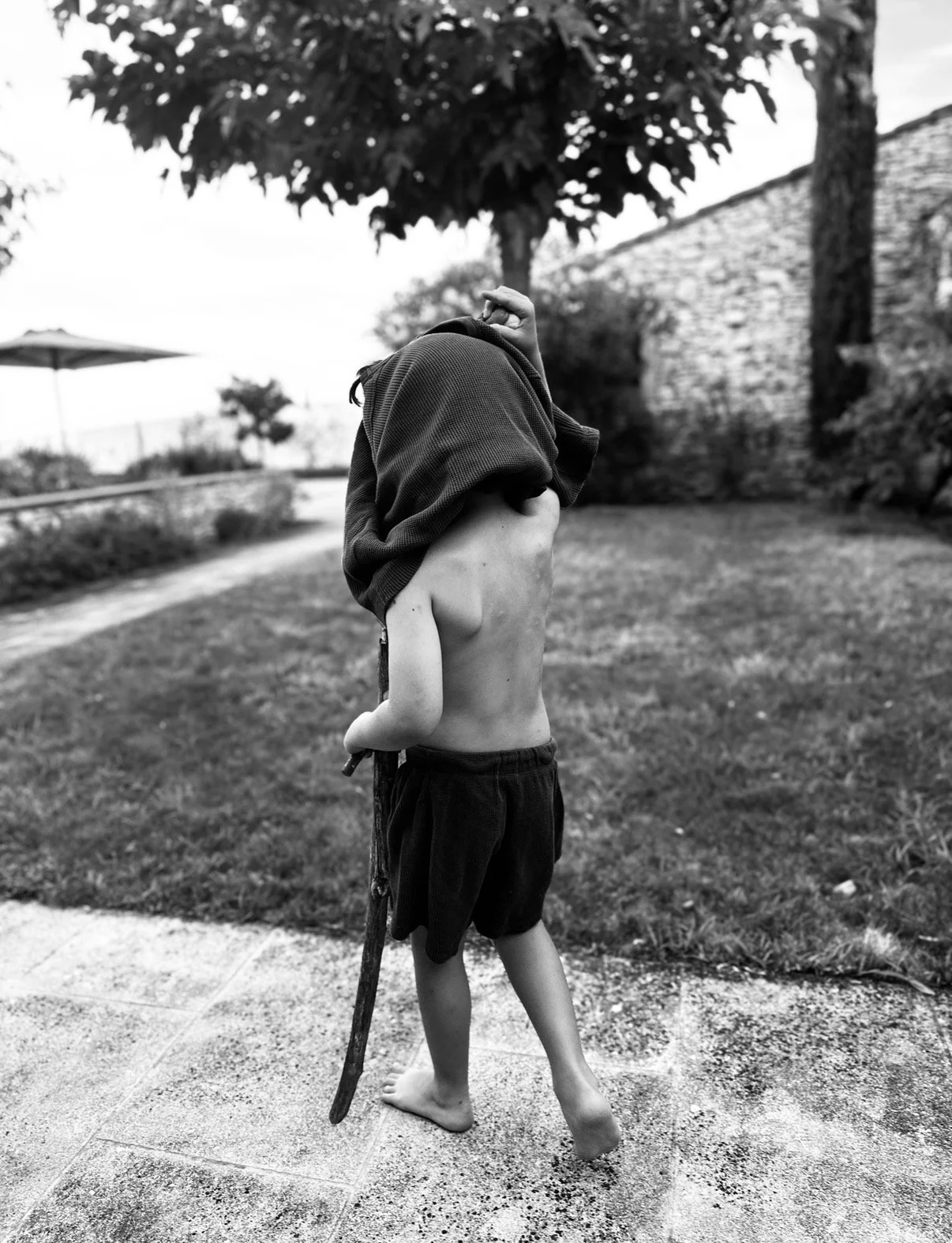
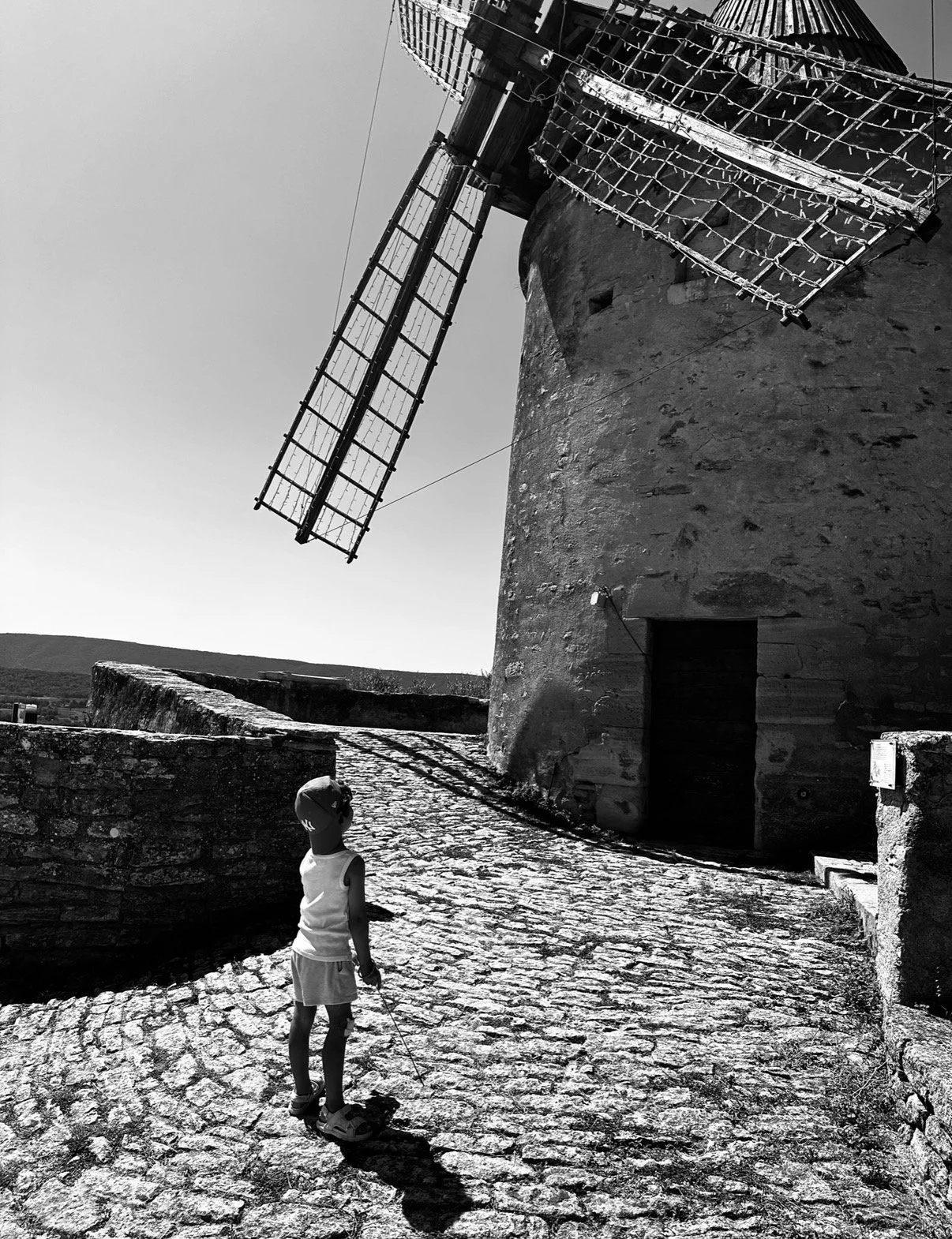
Today, what makes these summers even more meaningful is watching my own children create memories in the very places where mine began.
Seeing them run through lavender fields, linger over ice cream in village squares, collect little treasures at the market or sit around the same family table reminds me that traditions aren’t simply inherited, they’re lived, one generation at a time. Perhaps that’s why Provence will always feel like home, not because it’s where I was born, but because it’s where so much of my family’s story continues to unfold, and every time I leave, I already know one thing with certainty: I’ll be back next easter and summer.
By Clementine, Founder, Brand Designer, Photographer - MÚSE Creative Studio
About the author
Clementine is founder and Creative Director of MÚSE Creative Studio, a Brighton-based brand design and digital marketing studio for independent brands. With a background in photography, art direction and designer womenswear and kidswear, rooted in Paris, based in Brighton, she brings a considered creative eye to every project, creating visual identities that feel intentional, distinctive and built to last.