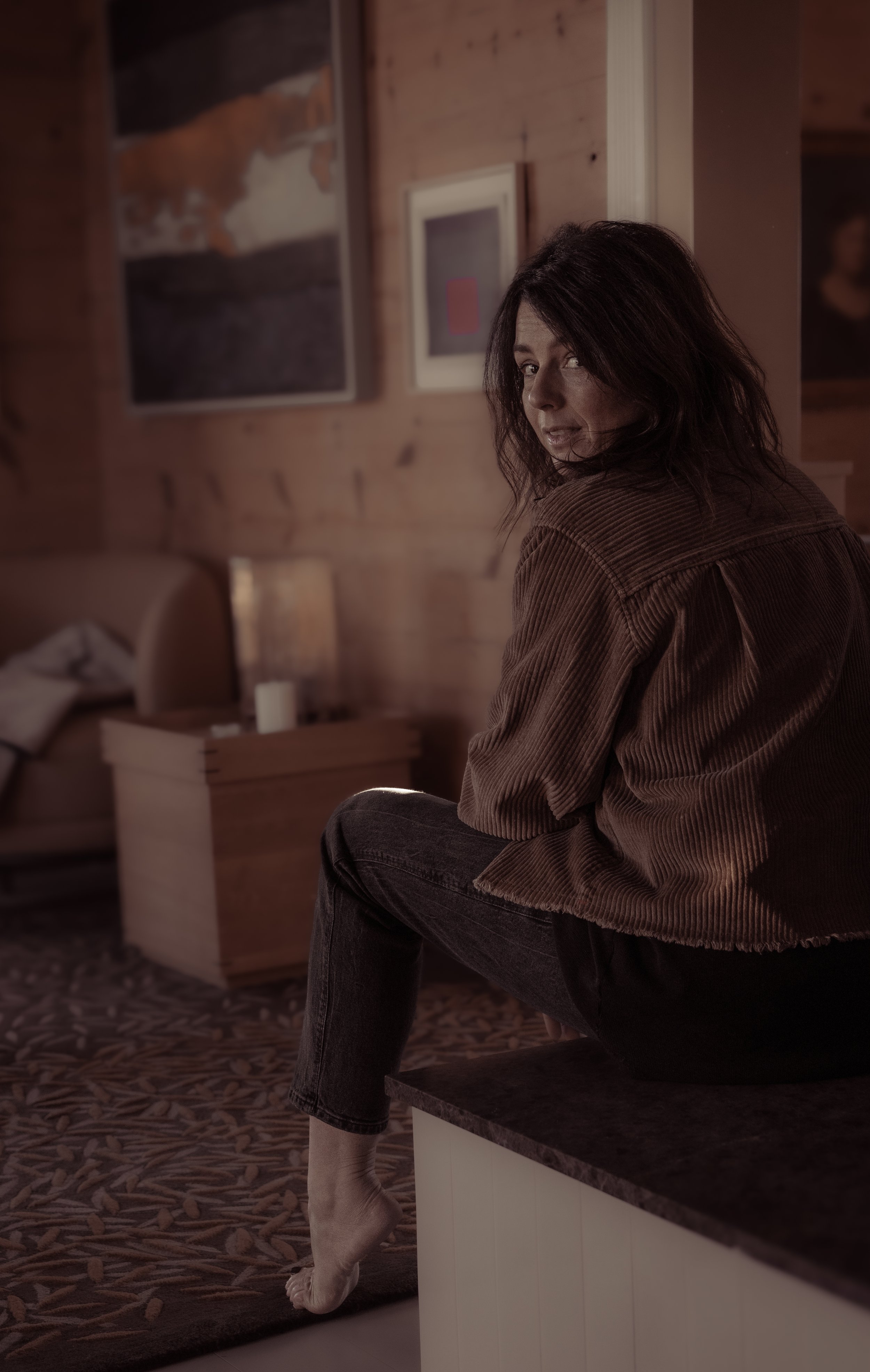
Why Your Brand Photography Isn’t Working (And What Intentional Image-Making Changes)
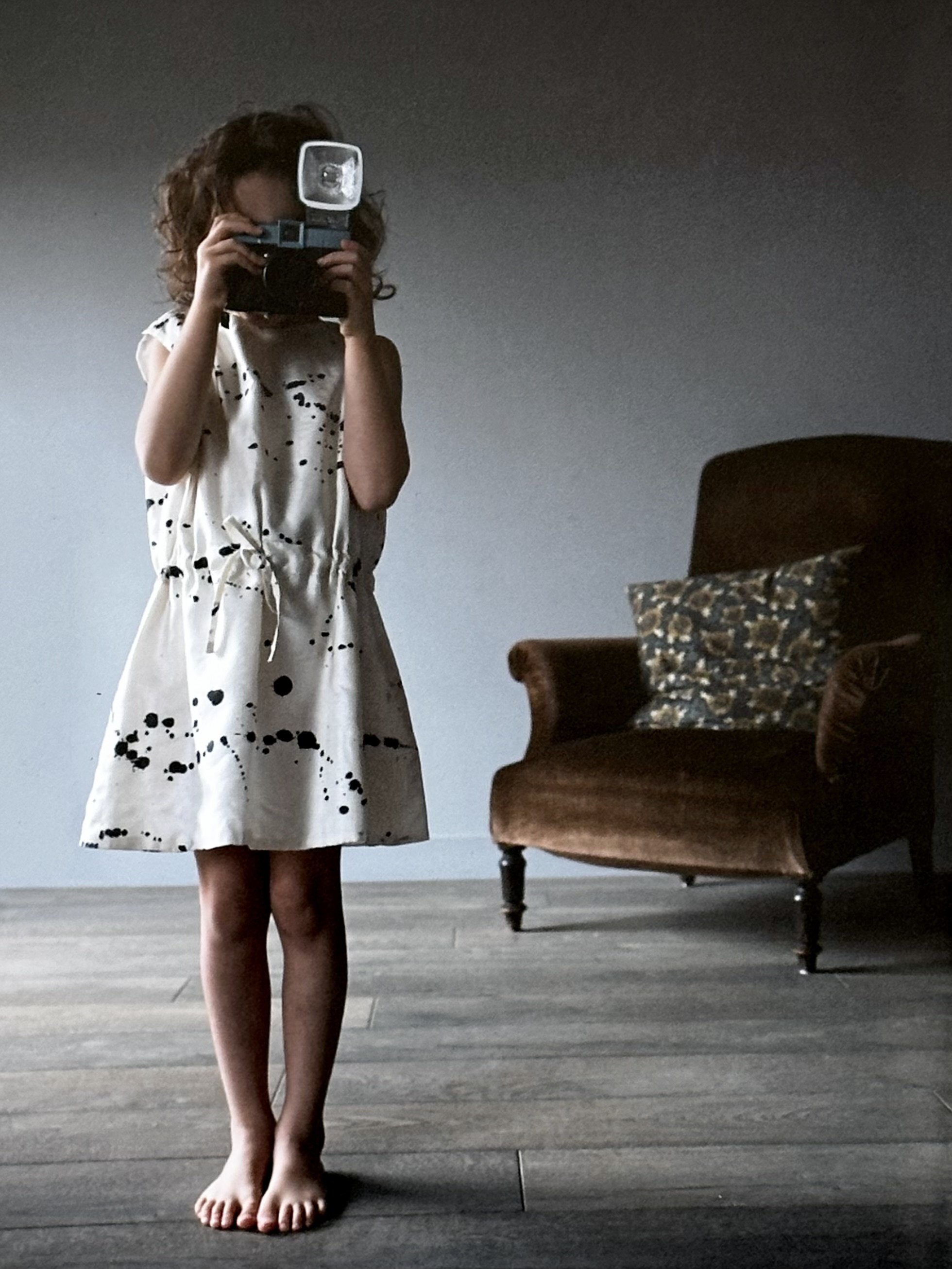
“Photography has never been more accessible, yet truly
memorable images have never been harder to create.”
Photography has evolved dramatically over the years. From film cameras and darkrooms to smartphones and AI-generated imagery, creating visuals has never been easier. Yet somewhere along the way, abundance replaced intention, and producing images became more important than creating meaningful ones.
Today, brands have access to endless tools, trends and technologies, but beautiful pictures alone are no longer enough. In an increasingly saturated visual world, what makes an image memorable isn’t perfection, it’s perspective, personality and the story behind it. Perhaps the future of photography isn’t about creating more images, but about creating them with greater purpose.
7 MIN READ
Why isn’t your brand photography
creating the impact you expected?
Photography has never been more accessible, yet somehow images have never felt more disposable.
Long before unlimited storage, endless camera rolls and AI-generated visuals, photography required intention. Shooting on film meant working with limitations. Every frame had value. Every composition, every setting, every source of light was considered before pressing the shutter.
There was no instant review, no deleting hundreds of failed attempts, no fixing everything afterwards. Sometimes the unexpected happened, a blur, an imperfect colour, an accidental light leak, and those flaws became part of the image’s charm.
As technology evolved, photography became easier, faster and infinitely abundant. We moved from creating images intentionally to consuming them endlessly. Today, we produce more photographs than ever, often without truly seeing them.
And somewhere along the way, we started confusing quantity with creativity.
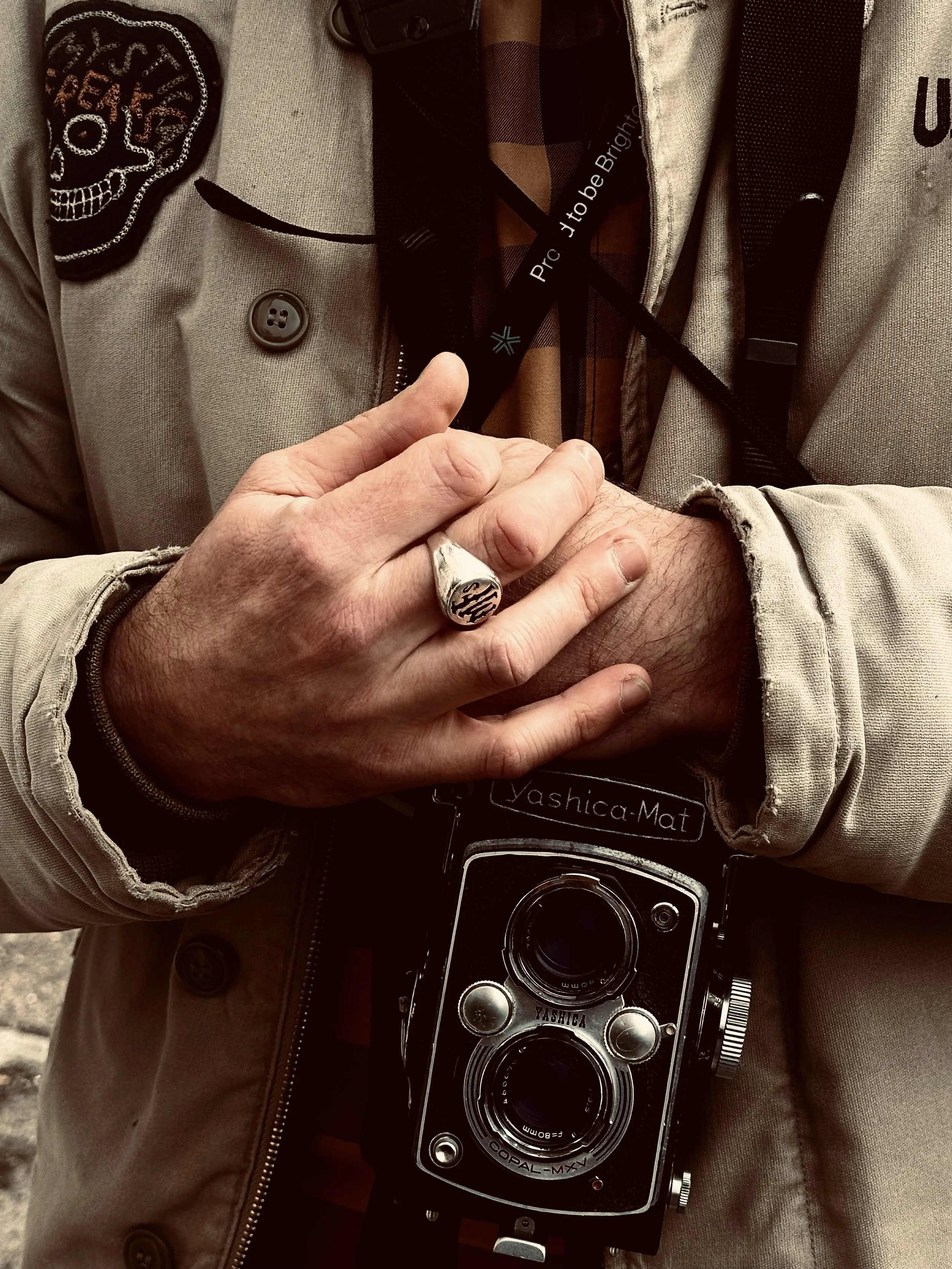
What is missing in most
modern brand photography?
The issue isn’t image quality. Cameras are better. Editing tools are more powerful. Filters can imitate almost anything.
But beautiful images don’t automatically communicate something meaningful.
Social media and visual trends have pushed us towards perfection. Perfect skin. Perfect lighting. Perfect compositions. Yet perfection rarely creates emotion. And brands don’t become memorable because they look perfect, they become memorable because they make people feel something.
Too often, photography is approached as content production rather than communication. Brands focus on aesthetics before asking a much more important question:
What story are we trying to tell?
Without intention, even the most polished images can feel empty. They may look beautiful, but they lack personality, narrative and emotional resonance.
In Japanese aesthetics, the philosophy of wabi-sabi embraces imperfection and authenticity. Closely linked to this idea is kintsugi — the art of repairing broken ceramics with gold, celebrating flaws rather than hiding them.
Perhaps photography is moving in that direction again.
In a world saturated with perfect images, authenticity and character are becoming far more powerful than perfection itself.
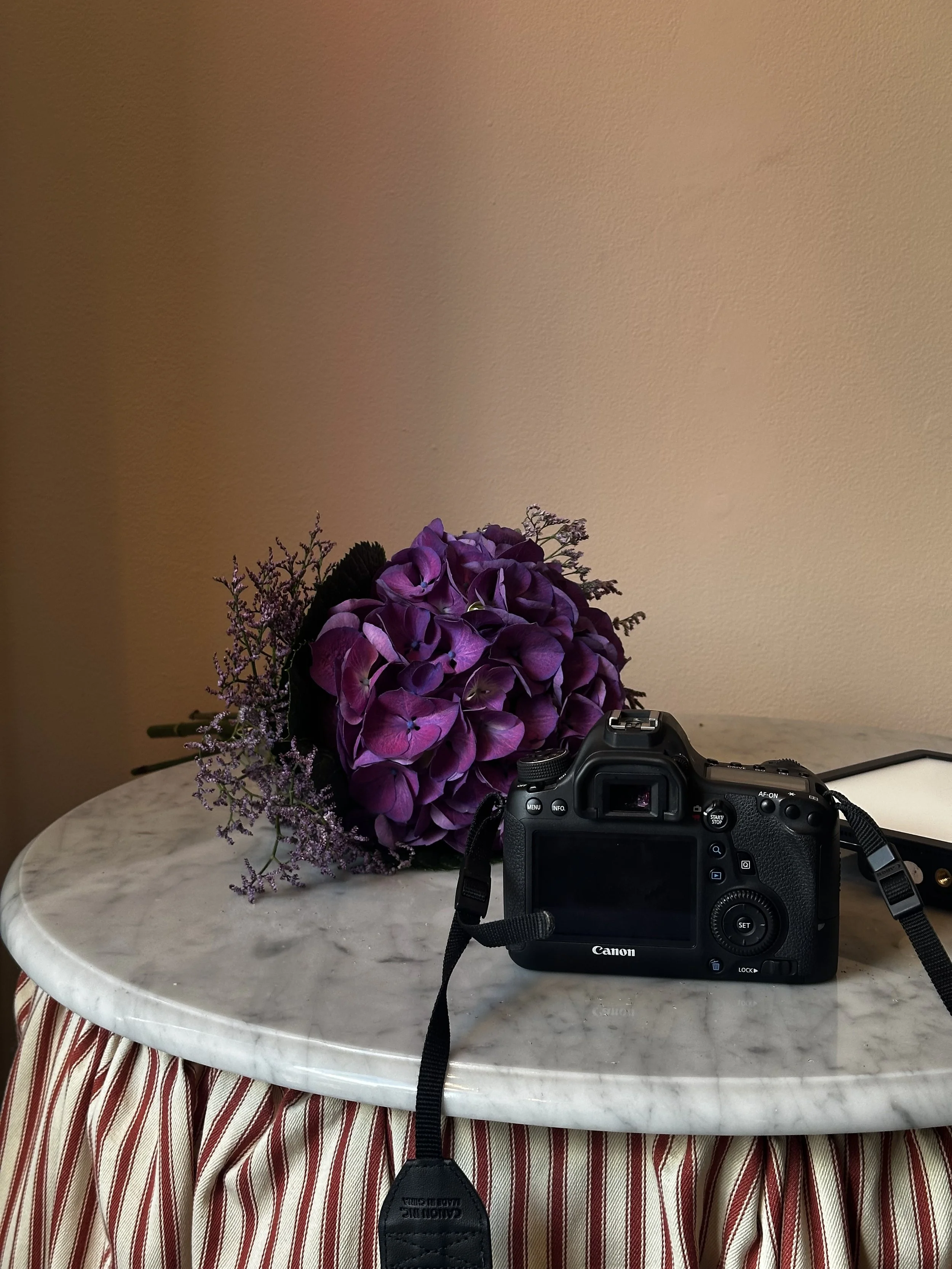

What does intentional image-making actually mean?
For me, photography starts long before picking up a camera.
Before thinking about lighting, equipment or compositions, I immerse myself in the brand’s world. I research its story, its audience, its environment and the message it wants to communicate. If there’s a physical space involved, I visit it. Sometimes I even take a few casual iPhone snapshots simply to observe how the place feels.
Because good photography isn’t only about making something look beautiful, it’s about making it feel right.
‘Storytelling always comes first.’
The strongest images aren’t necessarily the most technically perfect. They’re the ones that create an emotion, communicate an atmosphere or reveal something about a brand’s identity.
I often describe my process as thinking in magazines. Before taking a picture, I already imagine how it could live on a page. I collect references from books, exhibitions and editorial photography. All these influences blend together and slowly become a visual language.
Of course, I prepare the technical side too. Lighting, equipment, batteries, memory cards, props and art direction all matter. But they are simply tools serving something bigger.
Because ultimately, I don’t create images for myself.
I create images that feel true to the brands behind them.
And sometimes, despite all the planning, the most beautiful photographs are the unexpected ones, the ones that couldn’t have been imagined beforehand.
That’s the beauty of photography.
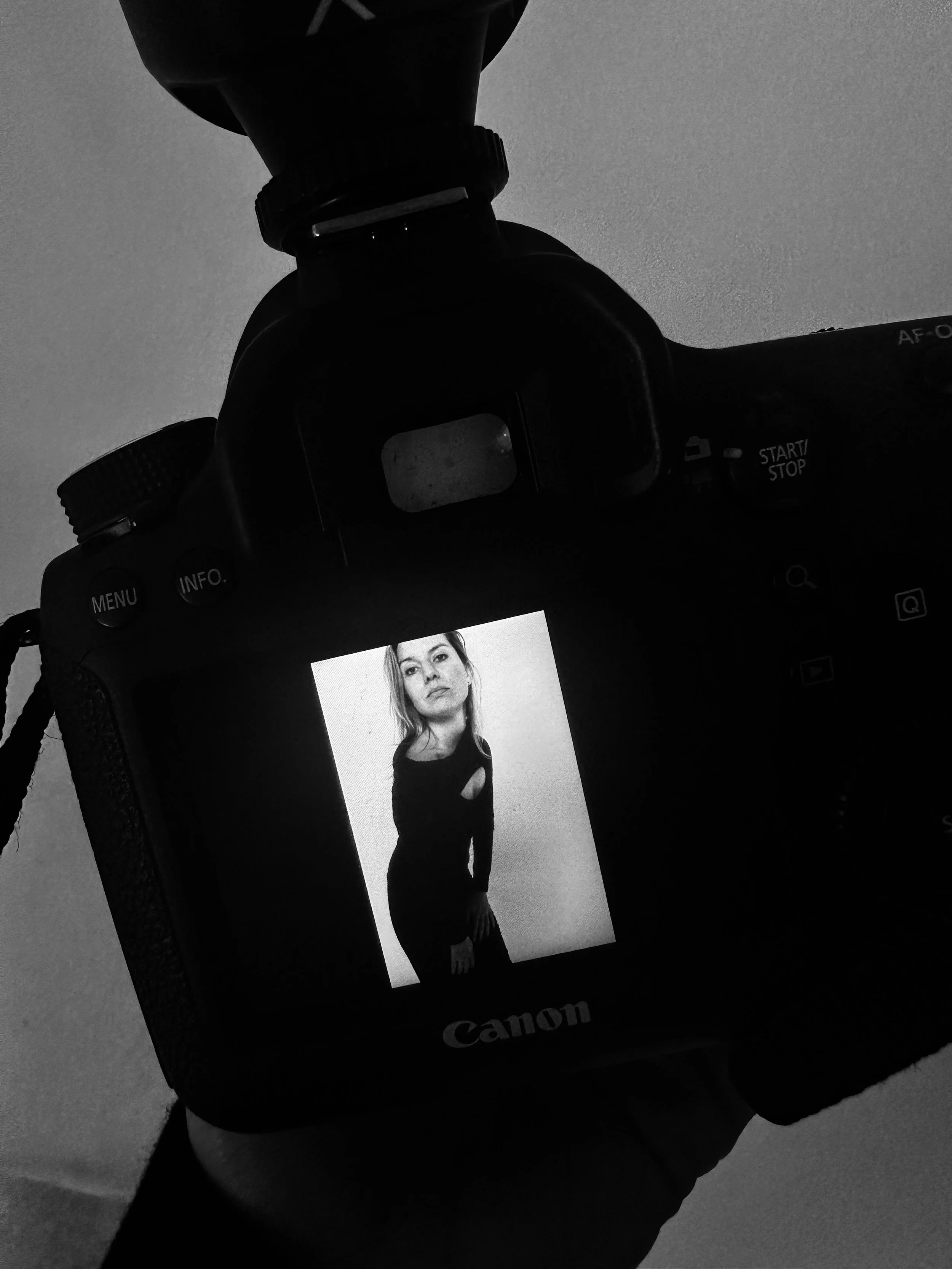
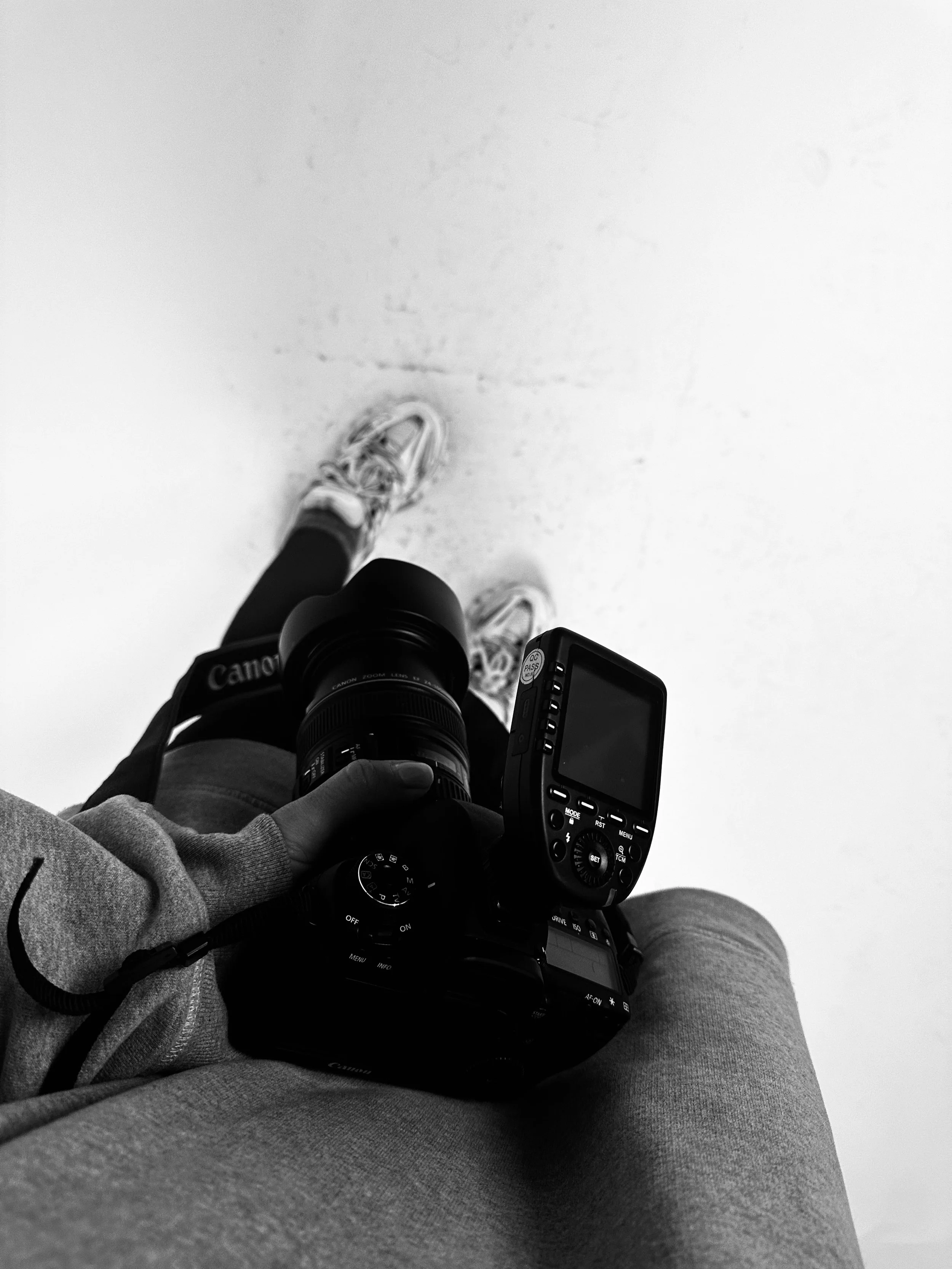
‘Brands don’t become memorable because they look perfect.
They become memorable because they make people feel something..’
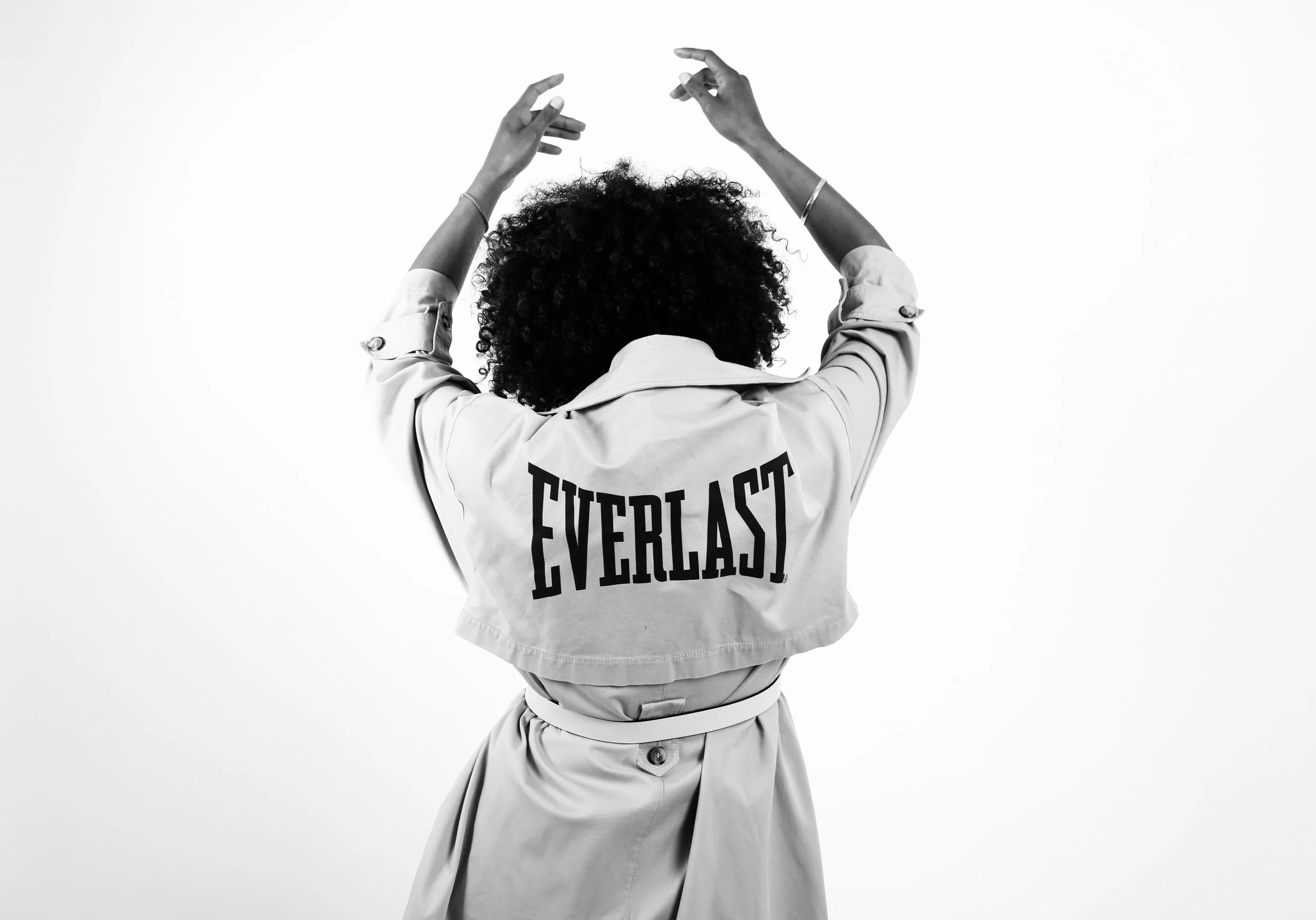
What does my creative process look like?
Every project starts differently.
Sometimes a brand reaches out because they already connect with my visual language. Other times, I discover a brand, a place or a product and immediately feel there is untapped potential, not because something is wrong, but because I can already imagine stories waiting to be told.
I spend time understanding the world behind the brand. Its history, audience, values and the feeling it wants to communicate.
Research is a huge part of my process.
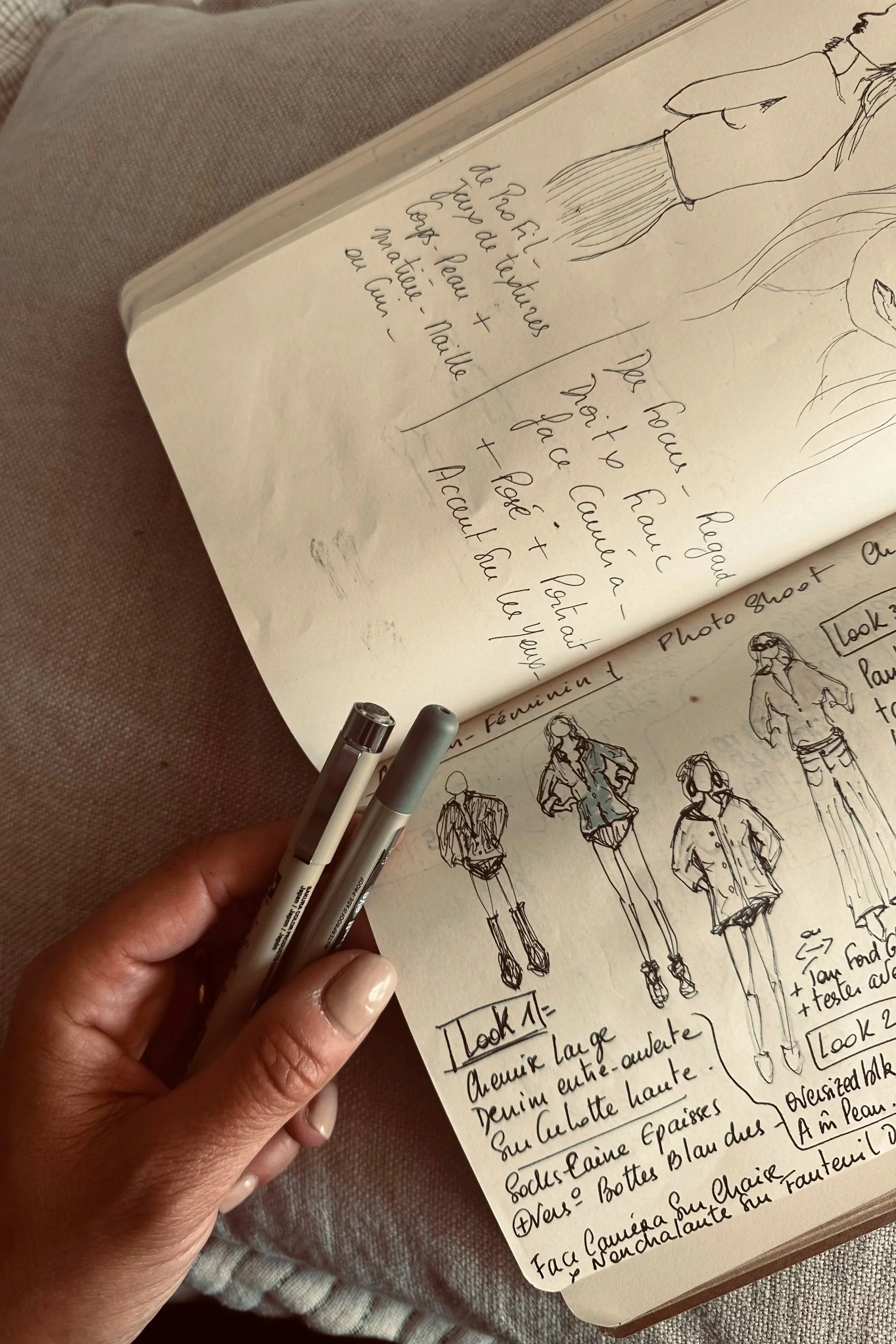
I collect references, sketch ideas, write notes and build moodboards. I still love doing things the old-fashioned way: printing images, making collages, filling notebooks with rough drawings and seeing concepts evolve on paper.
Perhaps it comes from my years working in editorial, but I have always loved seeing projects physically come together. There’s something deeply inspiring about paper, texture and handwritten notes in an increasingly digital world.
Once the creative direction becomes clearer, I start imagining key images. I usually sketch what I call my “top ten” photographs, the shots I absolutely want to create.
Not because everything should be perfectly planned, but because having a framework to build upon allows creativity to unfold naturally.
I meet clients, visit spaces, study natural light and discuss intentions extensively. We build briefs together and make sure we are moving towards the same vision.
From there, technical preparation becomes second nature. Equipment, lighting, props and art direction are simply tools serving a bigger picture.
And despite all the planning, some of my favourite images are often the unexpected ones.
Photography still has the ability to surprise us.
If you're an independent brand thinking about photography or visual identity, explore our photography service to see how we work and what's included.
‘I don’t photograph products.
I photograph the stories behind them..’
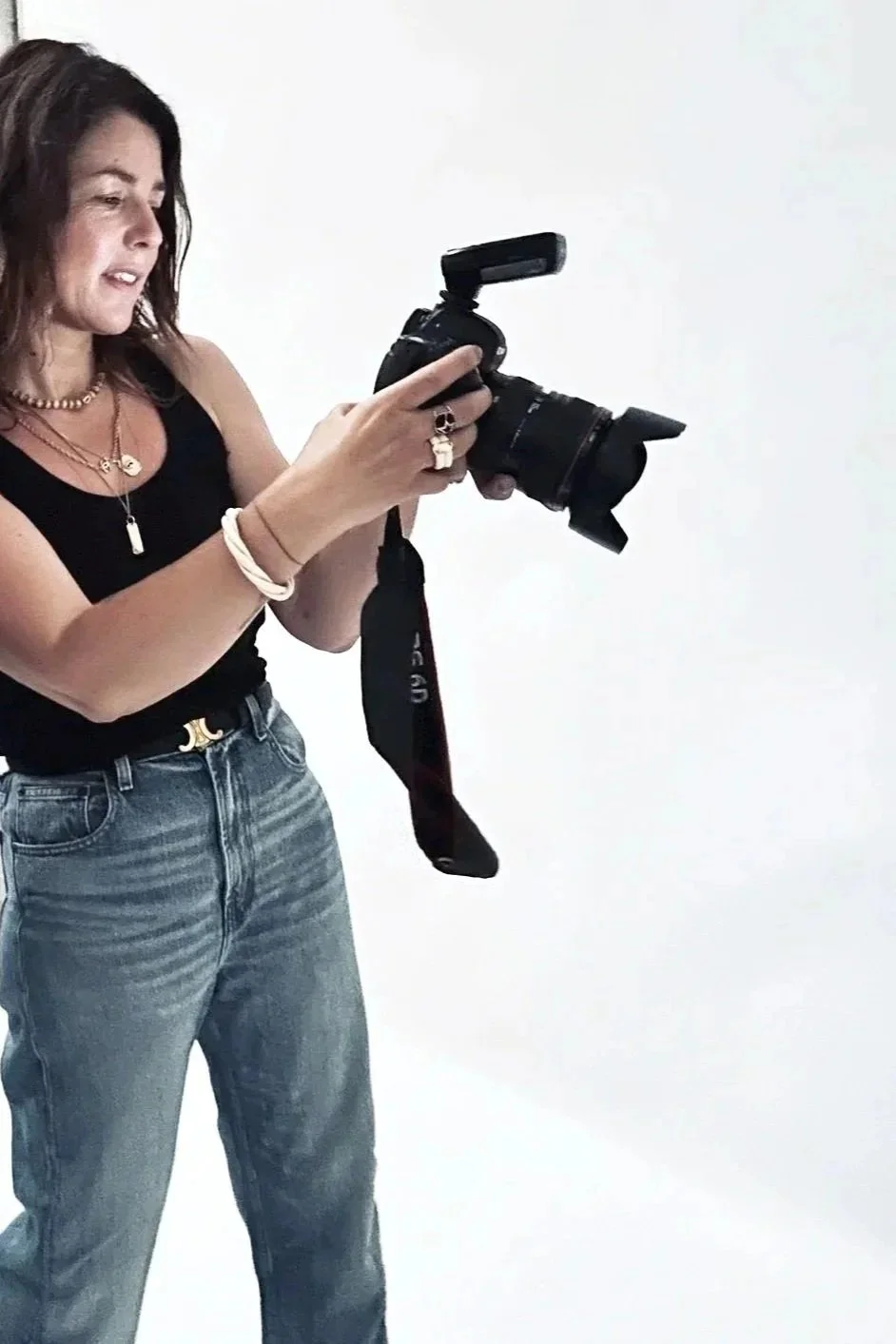
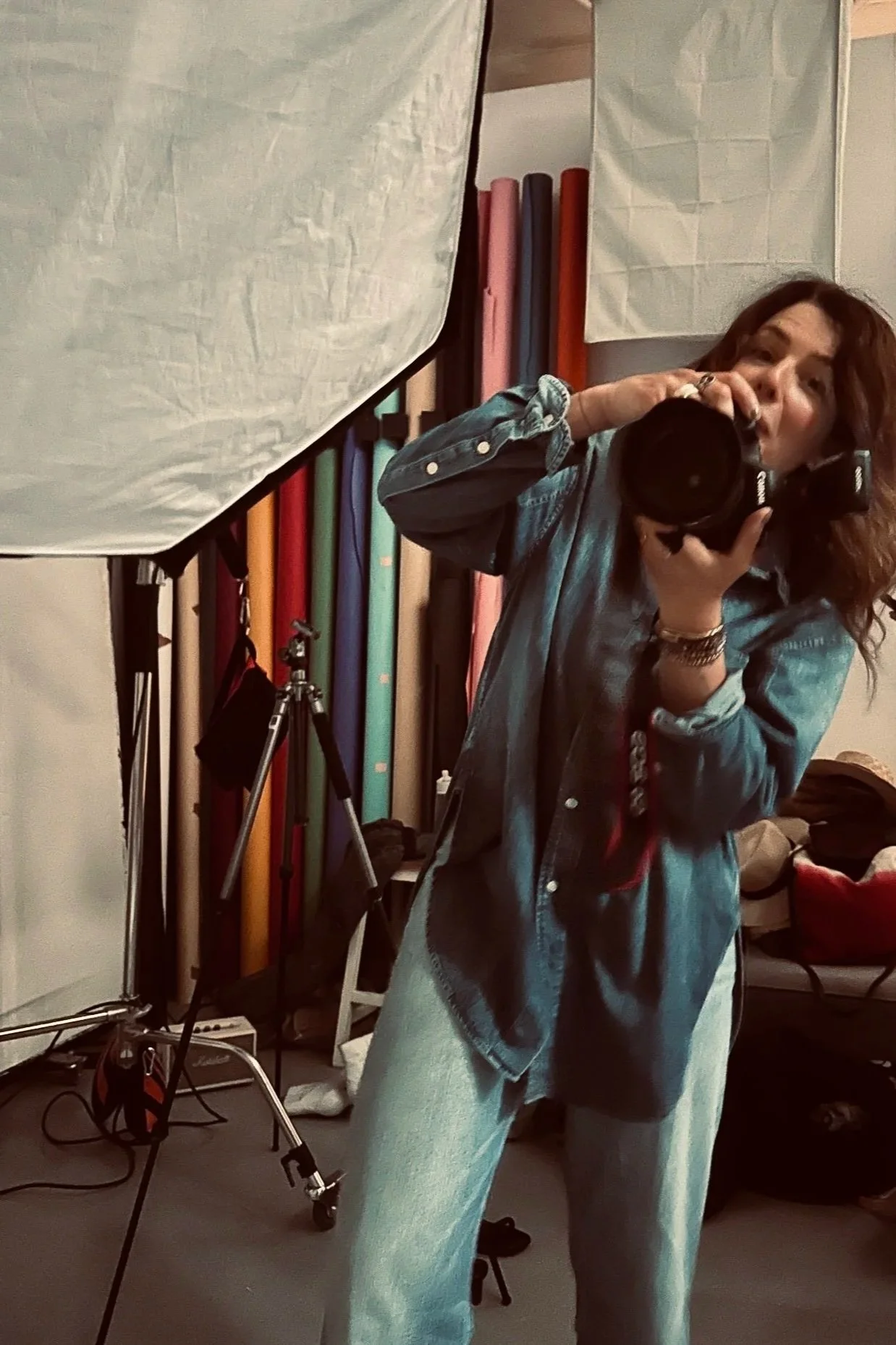
Why does human direction still
matter in the age of AI?
Artificial intelligence is extraordinary, and like many creatives, I use it as a tool.
But I don’t believe tools should replace intention.
Photography has travelled a remarkable path, from film and darkrooms to smartphones and now entirely generated imagery. Yet while technology keeps evolving, one thing remains impossible to automate completely: human sensitivity.
Photography isn’t simply about producing visually impressive images.
It’s about understanding stories, atmospheres and subtle nuances.
AI can generate aesthetics. It can imitate styles. It can create technically flawless visuals. But it doesn’t experience intuition. It doesn’t walk into a space and suddenly notice the way light falls across a table. It doesn’t sense the atmosphere of a place or understand the personality behind a brand.
Those things are deeply human.
There is another risk that rarely gets discussed.
As more brands rely on the same technologies, trends and shortcuts, visual identities inevitably begin to converge. Images become cleaner, faster and more efficient but often more interchangeable too.
And when everything starts looking the same, originality becomes harder to recognise.
Brands don’t build recognition through uniformity. They build it through a distinct point of view.
Because uniqueness doesn’t come from technical excellence alone. It comes from perspective.
A photograph shaped by human experiences, emotions and intuition will never be identical to another. That’s what makes creative work valuable. Not because it is polished, but because it is personal.
In a world increasingly shaped by algorithms, what becomes valuable isn’t immaculate execution, but the human ability to notice, interpret and create meaning.
Perspective becomes precious.
By Clementine, Founder, Brand Designer, Photographer - MÚSE Creative Studio
About the author
Clementine is founder and Creative Director of MÚSE Creative Studio, a Brighton-based brand design and digital marketing studio for independent brands. With a background in photography, art direction and designer womenswear and kidswear, rooted in Paris, based in Brighton, she brings a considered creative eye to every project, creating visual identities that feel intentional, distinctive and built to last.