What French Brands Get Wrong When They Enter the UK
I moved to the UK from France fifteen years ago. I didn't move as a tourist or a student. I moved to build something here, to work here, to understand this market from the inside. And what struck me most wasn't the obvious cultural differences. It was how much French brands underestimate the gap.
Not the quality gap. French brands rarely have a quality problem. The gap between how good something is and how well it communicates that to a British audience.
I've seen it repeatedly throughout my career. A French brand with a beautiful product, a considered identity and a loyal following at home arrives in the UK and wonders why nothing is landing. The website exists in English. The Instagram looks right. The product is exceptional. And yet.
Here's what's usually going wrong.
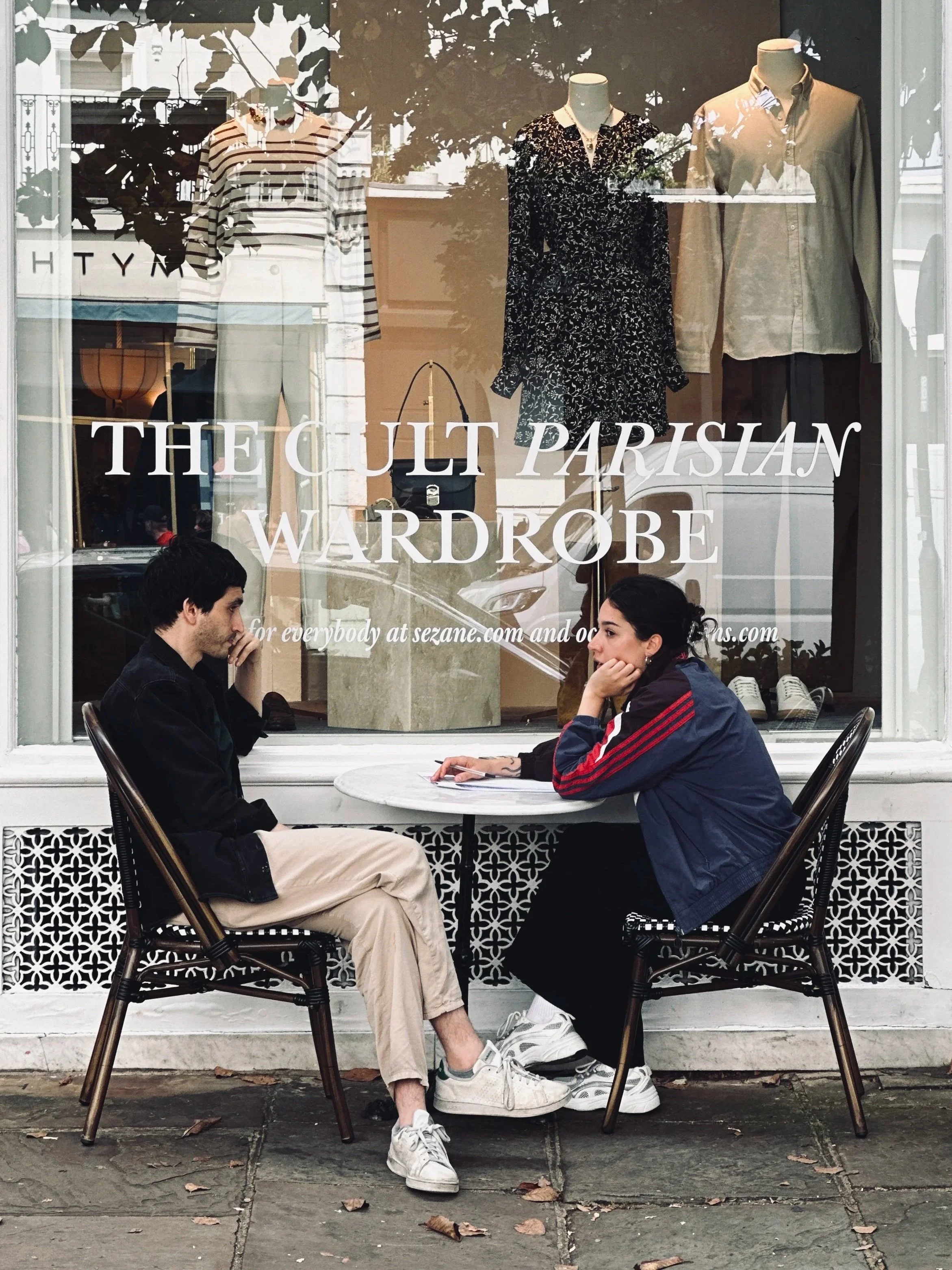
The website was translated, not adapted
There's a difference between having an English website and having a website that speaks to British consumers. Translation gets the words right. Adaptation gets the intent right.
British buyers trust differently from French ones. They want social proof earlier in the journey. They want a clearer answer to "why does this exist and why should I care." They respond to directness over poetry. A French brand that leads with heritage and aesthetics, which works beautifully in France, can feel opaque or inaccessible to someone who doesn't already understand the reference.
This isn't about dumbing down. It's about meeting the reader where they are.
Google doesn't know you exist
A French brand entering the UK almost always has the same SEO problem: the site was optimised for French search, if it was optimised at all. The English version of the site, if there is one, is often a translation sitting on a subdomain with no keyword strategy, no hreflang tags and no understanding of how British consumers actually search for what you sell.
The terms your French customer searches for are not the terms your British customer searches for. The intent behind those searches is different. The platforms are weighted differently. And if no one has done the work to understand that, you simply don't appear.
Being invisible on Google in the UK is not a brand problem. It's a fixable technical problem. But it needs to be fixed before you invest in anything else.
The brand story loses something in translation
French brands carry enormous cultural capital. Provenance, savoir-faire, a particular relationship with beauty and craft. These are real assets in the UK market. British consumers are genuinely drawn to them.
But those assets need to be communicated in a language that British consumers can receive. Not translated. Received. There's a version of French brand storytelling that British buyers find cold. Too confident, too assumed, not enough invitation into the world. And there's a version that lands perfectly: the same story, told with a little more warmth, a little more context, a little more openness.
The brands that get this right don't compromise their identity. They translate the feeling of it, not just the words.
They treat the UK as one market
The UK is not one market. London is not England. Independent retail in Brighton operates differently from wholesale in Manchester. The natural wine buyer in Edinburgh has different reference points from the beauty consumer in Bristol.
French brands often arrive with a single strategy. Get into London, get into the right stockists, get seen at the right events. That's not wrong, but it's incomplete. Digital allows you to reach the right customer wherever they are, if you understand who that customer is and how they search, scroll and decide.
That understanding takes time. But it starts with asking the right questions before you spend anything..

What actually works
The French brands that establish themselves well in the UK share a few things. They invest in understanding the market before they invest in marketing it. They adapt their communication without losing their identity. They treat their digital presence as infrastructure, not decoration.
And they find people who understand both sides.
That's why we built MUSE the way we did. Three French creatives in Brighton, working with independent brands that have something worth building here. We know this gap because we've lived it. And we know how to close it.
About the author
Milène is co-founder and Digital Strategy Lead at MUSE, a Brighton-based brand design and digital marketing studio for independent brands. With 10+ years building and scaling direct-to-consumer brands across luxury beauty, fashion and independent retail, she leads every digital project personally bringing senior strategic thinking directly to the brands she works with, without account managers or junior teams in between.